How to Propagate Spider plant?
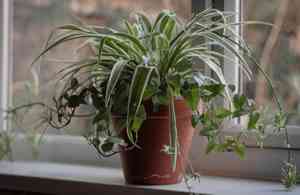
The spider plant primarily reproduces via separation, ideally carried out in spring or autumn to facilitate a seamless transition. This technique is straightforward to execute, with fresh development indicating its success. Sufficient hydration and warmth are vital for optimizing this procedure.
Optimal Time for Spider Plant Propagation
Propagation Method
Separation
Propagation Period
Spring, Autumn
Tools Required for Spider Plant Propagation
Sharp, sterile scissors or pruning shears
These instruments are utilized to sever the stolons or runners where the spiderettes (small plantlets) are situated, without harming the main plant. Keen blades guarantee precise cuts that mend rapidly, diminishing the likelihood of infection.
Potting soil
A well-draining growing medium is crucial for spider plant. It offers a healthy environment for the new plantlets to establish roots. The potting soil should hold sufficient moisture while allowing excess water to drain, preventing root decay.
Small pots or containers
These are necessary for planting the individual spiderettes. Containers with drainage holes are perfect for spider plant, enabling surplus water to escape and fostering a robust root system.
Gloves
Gardening gloves safeguard the hands during the division process and aid in ensuring safe handling of the plant and its delicate root structure.
Watering can with a gentle spray
Employing a watering can with a soft spray helps to moisten the soil without causing erosion or disturbing the recently planted spiderettes. Providing consistent moisture aids in the establishment of new roots.
Rooting hormone (optional)
Although not strictly essential for spider plant, a rooting hormone can stimulate quicker root development in the newly separated spiderettes. It's applied to the base of the cuttings before they are placed in the soil.
Misting bottle
This implement is used to maintain humidity around the new plantlets as they adapt to their new pots. A fine mist provides moisture without saturating the soil, which is vital for spider plant's growth.
How to Propagate Spider Plant?
Propagation Method
Separation
Difficulty Level
Simple
Caring for Your Newly Propagated Spider Plant
Caring for Your Newly Propagated Spider Plant
Post-propagation, keep the soil of spider plant consistently moist but not waterlogged, and maintain typical indoor temperatures (65 to 75°F or 18 to 24°C). Avoid exposure to drafts or extreme temperature fluctuations. Fertilize monthly with a balanced, water-soluble houseplant fertilizer during the active growth period. Allow the plant to acclimate to its new surroundings by minimizing disturbances. As spider plant grows, they may produce 'pups' or small plantlets that can also be propagated in the same manner.
Common Errors to Avoid When Propagating Spider Plant
Excessive watering of cuttings
Overwatering the cuttings of spider plant can lead to root rot, which hinders the development of healthy new roots essential for plant growth and establishment.
Using dull scissors or shears
Cutting spider plant with blunt scissors or shears can harm the parent plant and the offspring, resulting in poor healing and increased vulnerability to disease.
Ignoring plantlets
Neglecting the small plantlets that spider plant naturally produces can be a missed opportunity for propagation, as these are the easiest parts to grow new plants from.
Planting in large pots
Starting the cuttings of spider plant in oversized containers can cause the soil to retain too much moisture relative to the small size of the roots, increasing the risk of rot and fungal infections.
Neglecting humidity
Failing to provide a humid environment for spider plant cuttings can impede root development, as the plant thrives in higher humidity levels.
Tips For Propagating Spider Plant
Sharp scissors
Utilize sterile, sharp scissors to sever the plantlets from spider plant to prevent infection and ensure a clean cut that heals quickly.
Rooting in water
Initiate root growth by placing the base of spider plant's plantlets in water, which encourages root development without the risk of soil-borne diseases.
Moderate light
Maintain the cuttings of spider plant under moderate, indirect light conditions to avoid scorching the delicate new growth and to promote root development.
Proper pot size
Propagate spider plant in small pots that are just large enough to accommodate the root ball, as this helps prevent overwatering and encourages faster growth.
Maintain humidity
Maintain a humid environment around spider plant cuttings, using methods such as covering them with a clear plastic bag to increase humidity and improve root formation.



