How to Propagate Desert willow?
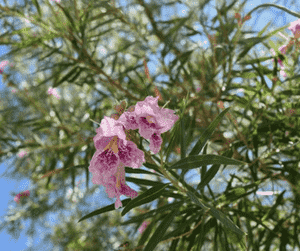
The propagation of Desert willow is achievable via hardwood cuttings, air layering, and seed planting during the optimal period from autumn to winter. The level of difficulty for propagation may differ, but indicators of successful propagation encompass the emergence of fresh shoots and root development. To ensure successful propagation, guarantee sufficient hydration and supply warmth from below for hardwood cuttings.
Optimal Time for Desert Willow Propagation
Propagation Method
Cutting
Propagation Period
Autumn,Winter
Tools Required for Desert Willow Propagation
Pruning Shears
Designed specifically for making clean cuts without harming plant tissue, pruning shears are vital for harvesting desert willow cuttings. They enable precise cuts on semi-hardwood stems, the preferred type for desert willow. Clean cuts encourage better rooting and lessen infection risk.
Rooting Hormone Powder or Gel
This substance stimulates root development from desert willow cuttings. Rooting hormone is essential for enhancing root formation and boosting propagation success. It also helps protect the cutting from fungal infections and diseases during the rooting process.
Sterilizing Agent (e.g., Isopropyl Alcohol)
Used to clean pruning shears and other implements before and after taking desert willow cuttings. Sterilization prevents disease transmission between plants and ensures the cutting environment is as sanitary as possible.
Propagation Trays or Pots
These containers hold the growing medium where desert willow cuttings will root. They come in various sizes and must have adequate drainage to prevent waterlogging, which can cause desert willow cuttings to rot.
High-Quality Growing Medium
This medium, often a blend of peat, perlite, and vermiculite, offers the support and moisture retention needed for desert willow cuttings to form roots. The medium should be loose and well-draining to ensure proper aeration and prevent root rot.
Plastic Domes or Covers
Creating a high-humidity environment around desert willow cuttings is crucial to prevent drying out before roots develop. Plastic covers or domes over propagation trays help maintain consistent humidity levels, vital for desert willow's successful rooting.
Heat Mats
These mats gently warm the soil, which can accelerate root formation in desert willow cuttings. Consistent bottom heat can significantly improve the cuttingsâ chances of rooting, especially in cooler environments.
Watering Tools (e.g., Mister or Watering Can)
Gentle misting tools or watering cans with a fine rose attachment are used to provide moisture to desert willow cuttings without disturbing the growing medium or damaging young roots. Proper hydration is essential for successful propagation.
Caring for Your Newly Propagated Desert Willow
Caring for Your Newly Propagated Desert Willow
Once roots are established, gradually acclimate the new desert willow by slowly introducing it to less humid conditions over about a week. Transplant into a larger pot with a similar well-draining soil mix and place in a sunny spot. Water when the top inch of soil is dry, and apply a balanced, slow-release fertilizer every few months to support growth. Desert willow should also be pruned regularly to maintain its desired shape and encourage a strong, healthy branching structure.
Common Errors to Avoid When Propagating Desert Willow
Overwatering cuttings
Keeping the soil excessively moist can lead to rot in desert willow's cuttings. The plant naturally thrives in arid conditions, and too much water hinders root formation and makes the plant vulnerable to fungal diseases.
Using non-sterilized tools
Cutting desert willow with unsterilized tools can introduce pathogens, potentially causing infections that can harm or kill the cuttings.
Improper rooting medium
Using a soil mix that retains too much moisture or lacks adequate drainage can prevent oxygen from reaching desert willow's developing roots, leading to poor root development or rot.
Ignoring callusing
Failing to allow a callus to form on the cutting before planting can result in excessive moisture absorption and an increased chance of rot.
Neglecting hardening off
Transferring desert willow saplings from a controlled environment directly to harsh outdoor conditions without a transition period (hardening off) can shock the plants, leading to increased mortality.
Advice for Propagating Desert Willow
Correct watering
Water desert willow cuttings sparingly, allowing the soil to dry out somewhat between waterings to mimic the natural dry climate to which the species is adapted.
Sterilize tools
Sterilize all tools before taking cuttings from desert willow to prevent the spread of diseases, which could hinder successful propagation.
Well-draining medium
Prepare a well-draining rooting medium, such as a mixture of sand, perlite, and peat, to provide the optimal balance of moisture and aeration to encourage root growth in desert willow.
Allow callusing
Before planting desert willow cuttings, let the cut end callus over for a few days to reduce the risk of rot and improve rooting success.
Gradual hardening off
Gradually acclimatize desert willow saplings to outdoor conditions over a week or more to reduce transplant shock and improve survival rates when moving them outside.



