How to Propagate Greater celandine?
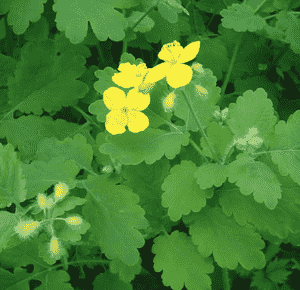
Chelidonium majus is most effectively propagated by planting seeds in the springtime. This particular plant presents a moderate challenge for propagation. The emergence of young sprouts indicates successful propagation. Soaking the seeds beforehand will enhance germination rates.
Optimal Time for Greater Celandine Propagation
Propagation Method
Seeding
Propagation Period
Spring
Tools for Greater Celandine Propagation
Seed trays or flats
These containers offer a controlled setting for seed germination, allowing greater celandine seeds to be sown in a shallow, flat receptacle with drainage holes. Consistent spacing and soil depth aid in uniform germination and growth.
Sterilized potting mix
Utilizing a clean, well-draining seed-starting medium lowers the risk of soil-borne diseases impacting greater celandine during the crucial germination phase. It supplies essential nutrients and aeration for developing roots.
Misting bottle
A gentle misting bottle provides a way to water greater celandine seeds without disturbing them. It helps maintain the potting mix's moisture levels, vital for germination without causing soil compaction or washing away seeds.
Plant labels
Labels are used to mark trays or pots with greater celandine's details, including the sowing date. They are crucial for monitoring progress and ensuring proper care throughout propagation.
Plastic dome or clear cover
This cover creates a miniature greenhouse effect over the seed tray, maintaining high humidity and stable temperatures, both of which boost the germination success of greater celandine seeds.
Grow lights (if indoor sowing)
When natural light is insufficient, grow lights provide the necessary light spectrum for greater celandine seedlings to develop robustly. Proper illumination is especially important for strong plant development after germination.
How to Propagate Greater Celandine
Propagation Method
Seeding
Difficulty Level
Easy
Caring for Newly Propagated Greater Celandine
Caring for Newly Propagated Greater Celandine
After propagation, continue to water greater celandine regularly, but avoid overwatering, as it becomes drought-tolerant once established. Fertilization is generally not needed. Prune dead or dying foliage to encourage healthy growth and remove unwanted self-sown seedlings. Monitor for pests and diseases, though greater celandine is typically resilient. In winter, greater celandine will die back, so clear away dead foliage; it will resprout the following spring.
Common Errors to Avoid When Propagating Greater Celandine
Poor cutting selection
Choosing low-quality or diseased cuttings can lead to failed propagation. Cuttings should be healthy and free from pests and diseases to improve rooting and growth chances.
Incorrect rooting medium
Using soil that is too dense or lacks aeration can hinder root development. Greater celandine thrives in a well-draining, loamy soil that allows roots to breathe and grow effectively.
Excessive watering
While adequate moisture is essential, too much water can cause cuttings to rot. Overwatering is problematic as it deprives roots of oxygen and encourages harmful fungal growth.
Neglecting sanitation
Using unsterilized tools or containers can introduce pathogens to the propagation environment. This error can compromise cutting health and significantly reduce success rates.
Greater Celandine Propagation Tips
Healthy parent plant
Select a vigorous and disease-free parent plant for cuttings. This enhances propagation success as healthy stock provides cuttings with the best genetic potential for growth and survival.
Appropriate cutting size
Cuttings should be neither too long nor too short, ideally 4-6 inches. This size ensures sufficient surface area for root development while retaining enough energy reserves in the cutting to support growth.
Optimal moisture balance
Maintain consistent moisture levels without waterlogging. Greater celandine cuttings should be kept damp but not saturated to encourage root growth without risking rot.
Bottom heat
Providing gentle warmth to the base of the propagation environment can stimulate root growth. An evenly warm environment encourages quicker root development for greater celandine.
Protection from elements
Shield cuttings from strong winds and direct, harsh sunlight. A stable environment improves the chances of successful rooting by reducing stress on greater celandine during the critical rooting phase.



