How to Propagate Northern sea oats?
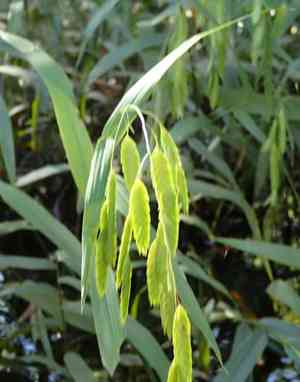
For northern sea oats, the most suitable period for propagation is in the Spring or Autumn, primarily utilizing the division method. This procedure is quite straightforward, and successful propagation is evident through robust new development. Guarantee sufficient hydration for peak outcomes.
Optimal Time for Northern Sea Oats Propagation
Propagation Method
Separation
Propagation Period
Spring, Autumn
Tools Required for Northern Sea Oats Propagation
Sharp Spade or Garden Fork
An essential, robust, sharp spade or garden fork is vital for dividing northern sea oats. It assists in cleanly severing the soil and root system, minimizing plant damage and stress. This tool needs a keen edge and durable construction to manage the fibrous root system of northern sea oats.
Pruning Shears
Clean, sharp pruning shears are necessary for trimming excess foliage or roots either before or after division. They ensure precise cuts, helping to prevent infection and promoting healthy regrowth. For northern sea oats, it's crucial to make clean cuts on any leaves or stems pruned during propagation.
Gardening Gloves
Durable gloves safeguard the propagator's hands from sharp edges and potentially irritating plant sap or soil microbes. They also offer improved grip on tools and plant material, reducing the risk of accidental injury or harm to northern sea oats during the division process.
Watering Can or Hose with Gentle Spray Setting
Following division, northern sea oats will require gentle watering to help alleviate transplant shock. A watering can or a hose with a gentle spray setting ensures even water distribution without excessive force, which could disturb the soil or harm delicate shoots.
Rooting Hormone (optional)
While not always mandatory, rooting hormone can be utilized to stimulate root development in divided sections of northern sea oats. It can be especially beneficial if the divisions are very small or if the plant is slow to establish new roots.
How to Propagate Northern Sea Oats?
Propagation Method
Division
Difficulty Level
Easy
Caring for Your Newly Propagated Northern Sea Oats
Caring for Your Newly Propagated Northern Sea Oats
Once established, northern sea oats demands minimal upkeep. Plant in a location with full sun to partial shade and in soil that retains moisture yet drains well. Water regularly to maintain consistent soil moisture, especially during dry periods. Northern sea oats can remain through winter for aesthetic appeal and to provide seeds for birds. Cut back foliage in late winter or early spring before new growth emerges. Fertilization is generally not needed, but a balanced, slow-release fertilizer can be applied in spring if growth appears weak.
Common Errors to Avoid When Propagating Northern Sea Oats
Overwatering
Excessive watering can lead to root rot in northern sea oats, potentially killing the plant before it can establish. Northern sea oats's preference for moist conditions does not equate to tolerance for waterlogged soils.
Deep planting
Burying seeds or plant divisions too deeply can prevent northern sea oats from receiving adequate light and air, impeding germination and growth.
Ignoring clumps
Failure to divide northern sea oats can result in overcrowded clumps, which can diminish the plant's vigor and lead to poor air circulation and disease.
Neglecting cuttings
Forgetting to keep cuttings moist may cause northern sea oats cuttings to dry out before they can develop roots.
Poor substrate choice
Using soil that lacks proper drainage or sufficient organic matter can hinder root development and growth in northern sea oats cuttings or divisions.
Tips For Propagating Northern Sea Oats
Moist stratification
Moist stratification can enhance germination rates of northern sea oats seeds by mimicking natural winter conditions, preparing them for sprouting.
Lightly covering seeds
Sowing northern sea oats seeds with a thin layer of soil or compost helps maintain the necessary moisture and light for optimal germination.
Periodic division
Regularly dividing northern sea oats every few years will prevent overcrowding, encourage more robust growth, and provide material for propagation.
Maintain humidity
Keeping the environment around northern sea oats cuttings humid ensures they do not dry out, increasing the chances of successful root development.
Well-draining substrate
Utilizing a well-draining substrate enriched with organic material is vital for northern sea oats, as it promotes healthy root growth and prevents waterlogging.



