How to Propagate Bamboo palm?
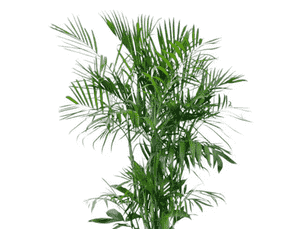
Originating from the lower canopy of tropical jungles, the bamboo palm thrives in interior environments, establishing itself as a favored option for those who cultivate houseplants. Effective propagation is accomplished via division, a convenient technique well-suited for this particular variety. Take care to carefully separate the rhizomes to prevent harm, splitting the clusters into smaller portions, each possessing multiple stalks. Following repotting, sustain appropriate moisture levels and warmth, as these circumstances mimic the bamboo palm's natural environment, encouraging robust root formation and overall plant development.
What Is the Best Time To Propagate Bamboo Palm?
Propagation Type
Division
Propagation Season
Spring,Autumn
What Tools Are Used in Bamboo Palm Propagation?
Sharp, Clean Pruning Shears
These are vital for cutting through the root mass of bamboo palm during division, ensuring a precise cut that reduces plant trauma. Sharp shears decrease infection risk and promote faster recovery for new plants.
Garden Spade or Fork
Utilized to gently extract bamboo palm from its growing medium, minimizing harm to its root structure. A spade or fork should be employed to carefully dig around the plant, loosening the soil for easier root separation.
Sterilizing Solution (e.g., Isopropyl Alcohol or Bleach Solution)
Used to sanitize all tools before and after propagating bamboo palm to prevent disease transmission between specimens. Sterilization is crucial for the health and viability of bamboo palm during and post-propagation.
Potting Soil with Good Drainage
Following division, each bamboo palm section will require replanting. A premium potting mix that supports drainage is ideal, as bamboo palm prefers moist yet well-drained conditions. This soil type aids new divisions in establishing more effectively and growing robustly.
Watering Can with a Fine Rose
Ensures delicate irrigation of bamboo palm, especially immediately after propagation. This tool helps settle the soil around new divisions and provides essential moisture for root recovery and growth without disturbing the plant with strong water flow.
How to Propagate Bamboo Palm?
Propagation Type
Easy
How to Care for Your Newly Propagated Bamboo Palm?
How to Care for Your Newly Propagated Bamboo Palm?
Place the newly propagated bamboo palm in indirect light, as direct sun can burn its leaves. Maintain a consistent watering schedule, allowing the top inch of soil to dry between waterings. Fertilize monthly during the growing season with a balanced, water-soluble product. Regularly check for pests or diseases and treat as needed. Ensure high humidity using pebble trays or regular misting, and keep temperatures between 65-75°F for optimal growth. Pruning is generally not required, but promptly remove dead or yellowing leaves to maintain health and appearance.
Common Mistakes to Avoid When Propagating Bamboo Palm
Overwatering
Excessive watering of bamboo palm can lead to root rot, which is detrimental to the plant's health and can hinder successful propagation.
Using Oversized Containers
Propagating bamboo palm in pots too large for their root system can retain too much moisture, leading to fungal issues and poor root development.
Insufficient Humidity
Bamboo palm requires a humid environment for optimal growth. A lack of humidity can cause the propagating material to dry out, impeding rooting and growth.
Incomplete Division
When dividing the bamboo palm, failing to include roots with each section can result in propagation failure as the separated parts cannot establish themselves.
Neglecting Aftercare
After propagation, failing to provide proper care, such as maintaining consistent moisture and warmth, can lead to the bamboo palm's inability to establish or grow significantly.
Tips For Propagating Bamboo Palm
Gentle Separation
When dividing bamboo palm, carefully untangle the roots to minimize damage and ensure each new plant has an adequate root system.
Humidity Control
Maintain a high humidity environment for the propagating bamboo palm by using a pebble tray or enclosing the plant in a clear plastic bag until new growth is visible.
Proper Container Sizing
Select a container that is suitable for the size of the bamboo palm division to prevent overwatering and to encourage proper root development.
Soil Selection
Use a well-draining soil mix for bamboo palm to prevent waterlogging and root rot while providing the necessary support for new growth.
Balanced Watering
Water bamboo palm thoroughly but infrequently, allowing the top layer of the soil to slightly dry out between waterings to encourage strong root growth without risking rot.



