How to Propagate Japanese flowering quince?
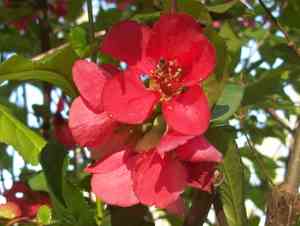
The most effective way to propagate Japanese flowering quince is by employing cutting or layering techniques throughout the autumn and winter seasons. This propagation process can present a moderate level of difficulty, with indicators of success being the emergence of new shoots and the formation of roots. To achieve the best outcomes, guarantee that the soil is consistently damp and drains efficiently.
Optimal Period for Japanese Flowering Quince Propagation
Propagation Method
Cutting
Propagation Season
Autumn,Winter
Equipment for Japanese Flowering Quince Propagation
Pruning Shears
Used for obtaining japanese flowering quince cuttings, these must be sharp and clean to ensure precise cuts without harming plant tissues. They help prevent infections and promote quicker healing of the cut surface, increasing the success rate of rooting.
Rooting Hormone
This compound stimulates root development from japanese flowering quince cuttings. Dipping the base of the cuttings into the hormone encourages root formation and improves the overall chances of successful propagation.
Sterilizing Agent
Essential for sanitizing pruning shears and any other tools that contact japanese flowering quince, a sterilizing agent (such as isopropyl alcohol or bleach solution) prevents disease spread and ensures the health of the cuttings.
Potting Mix
A suitable growing medium, a well-draining potting mix provides proper aeration and moisture retention for japanese flowering quince cuttings. The correct mix fosters healthy root growth and supports the cuttings until they are established.
Propagation Tray
Holds japanese flowering quince cuttings in a controlled environment, typically featuring humidity control with a clear dome to keep cuttings moist but not waterlogged, aiding in successful root development.
Heating Mat
A heat mat supplies bottom warmth to the propagation tray, promoting faster root growth in japanese flowering quince cuttings. This is especially beneficial in cooler climates or during colder months to maintain an optimal rooting temperature.
Misting Bottle
Used to gently moisten japanese flowering quince cuttings, a misting bottle helps maintain humidity around them, crucial for preventing desiccation before rooting, without overwatering and risking rot.
Labels and Marker
To track japanese flowering quince cuttings, labels and a permanent marker are used to record vital information like the cutting date and any specific treatments. Proper labeling assists in monitoring progress and managing the propagation process.
Caring for Your Newly Propagated Japanese Flowering Quince
Caring for Your Newly Propagated Japanese Flowering Quince
Acclimatization and Transplanting: Gradually introduce rooted japanese flowering quince cuttings to outdoor conditions over a week or more before moving them to their permanent spot. Ensure they are planted in well-draining soil with full sun to partial shade and provide consistent water, especially during dry periods, to establish a strong root system. Protect young japanese flowering quince plants from harsh weather and pests as they mature.
Common Errors to Avoid When Propagating Japanese Flowering Quince
Excessive watering of cuttings
Overwatering japanese flowering quince cuttings can lead to rot and fungal infections, significantly reducing the likelihood of successful root development. Maintaining the correct moisture balance is crucial for healthy root growth.
Planting too deeply
Inserting japanese flowering quince cuttings too far into the potting medium can suffocate developing roots and encourage rot. Cuttings need to be placed at the appropriate depth for adequate aeration and root expansion.
Neglecting sanitation
Using uncleaned tools or containers can introduce diseases to japanese flowering quince cuttings. Sterilization is vital to prevent contamination and ensure healthy plant growth.
Ignoring humidity needs
Japanese flowering quince cuttings require a specific humidity level to root effectively. Without a humidity-controlled environment, cuttings may dry out and fail to establish.
Using an unsuitable medium
Propagating japanese flowering quince in a medium that lacks proper drainage or aeration can impede root growth and lead to disease, as japanese flowering quince needs a well-draining and oxygen-rich medium for optimal rooting.
Tips For Propagating Japanese Flowering Quince
Optimal cutting selection
Choose healthy, disease-free semi-hardwood cuttings from japanese flowering quince for propagation. This increases the probability of successful rooting.
Proper cutting treatment
To encourage root growth, treat japanese flowering quince cuttings with rooting hormone before planting. This can significantly enhance the chances of successful propagation.
Appropriate watering
Provide consistent but moderate watering to japanese flowering quince's cuttings to maintain ideal moisture levels, ensuring they are neither too wet nor too dry.
Humidity control
Maintain high humidity around japanese flowering quince cuttings using a plastic cover or a propagation chamber, while avoiding excessive moisture that could lead to rot.
Sterile environment
Use sterilized tools and containers when propagating japanese flowering quince to minimize the risk of disease transmission, supporting healthy plant development.



