How to Propagate Chilean cestrum?
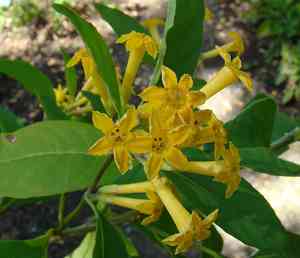
Cestrum elegans, a species within the Solanaceae family, flourishes when reproduced via cuttings. To achieve the best outcomes, collect semi-hardwood cuttings at the appropriate season. Verify that each cutting possesses a minimum of 2-3 viable nodes. Submerge the severed tip in rooting compound to stimulate root formation, then embed it in a well-aerated, damp potting medium. Sustain elevated moisture levels around Cestrum elegans by employing a plastic dome or propagation unit, while ensuring adequate airflow to deter fungal proliferation. Periodically inspect for root integration, exercising caution to avoid disrupting the nascent root structures.
Optimal Period for Chilean Cestrum Propagation
Propagation Method
Cutting
Propagation Period
Autumn,Winter
Tools Required for Chilean Cestrum Propagation
Sharp Pruning Shears
These are vital for obtaining clean, precise cuttings from chilean cestrum. A sharp cut helps prevent disease and damage to both the new cuttings and the parent plant. It's crucial that the blades are sterile to avoid introducing pathogens.
Rooting Hormone
This enhances the likelihood of successful root formation in chilean cestrum cuttings. By applying a rooting hormone to the freshly cut base, it promotes faster root growth and aids in establishing a stronger root system.
Potting Mix
A sterile, well-draining potting mix ensures that chilean cestrum cuttings have the best environment for root development. Using a mix designed for cuttings can improve moisture retention while preventing rot and fungal infections.
Propagation Tray
A tray specifically designed for holding cuttings can keep chilean cestrum organized and appropriately spaced. These trays help maintain consistent moisture levels and improve handling during the rooting phase.
Plastic Domes or Covers
These create a humidity-controlled environment crucial for chilean cestrum cutting survival. High humidity helps prevent the cuttings from losing too much moisture through transpiration, facilitating successful root development.
Heat Mat
Providing bottom heat can significantly improve the rooting success rate of chilean cestrum cuttings. A heat mat raises the soil temperature, stimulating root growth and overall plant health during the vulnerable stages of development.
How to Propagate Chilean Cestrum?
Propagation Type
Moderately Difficult
Post-Propagation Care for Your Chilean Cestrum
How to Care for Your Newly Propagated Chilean Cestrum?
Once the chilean cestrum cuttings have successfully rooted and been transplanted, continue to provide them with indirect sunlight and water them regularly, allowing the top inch of soil to dry out between waterings. Avoid over-watering to prevent root rot. Fertilize the plants every 4-6 weeks with a balanced, water-soluble fertilizer to promote healthy growth. As chilean cestrum can grow quite large, ensure that it is planted in a spacious area or regularly pruned to manage its size. Protect the plants from frost and extreme temperatures to maintain their health and vigor.
Common Errors to Avoid When Propagating Chilean Cestrum
Overwatering
Excessive watering can lead to root rot in chilean cestrum, which thrives better under moderate moisture conditions. Too much water can suffocate the plant's root system, reducing its ability to absorb nutrients and making it susceptible to diseases.
Using non-sterile tools
Employing non-sterile tools for cutting or propagating chilean cestrum can introduce pathogens, leading to infections and poor growth. Sterility is crucial to prevent disease transmission between plants.
Deep planting
Planting the chilean cestrum cuttings too deeply can hinder their ability to form roots efficiently. Deep planting may cause the stem to rot before roots have a chance to develop.
Advice for Propagating Chilean Cestrum
Use semi-ripe cuttings
For successful propagation of chilean cestrum, use semi-ripe cuttings. These have the right balance of maturity and growth potential, enhancing the chances of rooting and development.
Maintain high humidity
Maintaining a high humidity environment is essential for chilean cestrum cuttings to root effectively. A plastic cover or mist system can help in creating an ideal moist environment that encourages rooting.
Provide light but not direct sunlight
While chilean cestrum requires good lighting for propagation, direct sunlight can be harmful. It is ideal to provide bright, indirect light to encourage growth without causing damage to the young cuttings.



