How to Propagate Parachute plant?
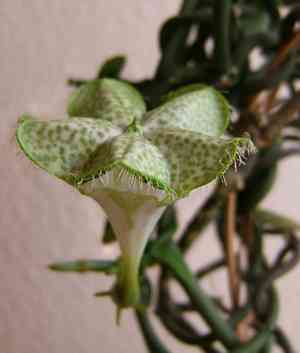
The distinctive umbrella-shaped blooms of the Parachute plant make it a prime candidate for successful propagation via stem sections. Select a robust stem portion, making sure it contains at least one node. Insert the cutting into a growing medium that drains efficiently, and keep it uniformly damp, but not waterlogged, to stimulate root formation. Sufficient illumination and warmth will significantly improve the chances of successful propagation.
When Is the Optimal Time to Propagate Parachute Plant?
Propagation Method
Cutting
Propagation Period
Spring,Summer
What Equipment Is Used in Parachute Plant Propagation?
Sharp Pruning Shears
These are crucial for making clean cuts from the parent plant without harming the remaining sections. Precise, clean cuts help prevent infection and promote faster healing and rooting of the cuttings. For parachute plant, a plant that propagates well from cuttings, minimizing damage to both the mother plant and the cutting itself is vital for successful propagation.
Rooting Hormone
This product stimulates root development from cuttings, increasing the likelihood of successful propagation. Applying a small amount to the freshly cut base of parachute plant can significantly boost root formation, essential for the plant to establish quickly and healthily in a new environment.
Sterile Potting Mix
A soilless potting mix, free from disease-causing agents, offers an ideal environment for parachute plant cuttings to root. This medium is typically light and encourages good drainage and air circulation, critical factors in preventing root rot in newly propagating plants.
Humidity Dome
A humidity dome helps maintain a controlled environment around the newly planted cuttings of parachute plant, ensuring high humidity and stable, warmer temperatures. This device is particularly beneficial for the initial stages of cutting propagation, where maintaining moisture is key to encouraging rooting.
Heating Mat
Placed beneath the propagation tray, a heating mat ensures consistent soil temperature, a vital factor for root development in cuttings. For parachute plant, stable warmth can significantly improve the rooting success rate, making the heating mat an invaluable tool for propagation during cooler months or in colder climates.
How to Propagate Parachute Plant?
Propagation Difficulty
Easy
How to Care for Your Newly Propagated Parachute Plant?
How to Care for Your Newly Propagated Parachute Plant?
Following propagation, gradually introduce parachute plant to its new surroundings. Continue to water the plant sparingly, ensuring the soil dries slightly between waterings. Position parachute plant in a spot with bright, indirect light and maintain moderate temperatures. Fertilize every two months with a balanced liquid fertilizer during the growing season to support healthy growth and blooming.
Common Errors to Avoid When Propagating Parachute Plant
Overwatering during propagation
Excessive watering can lead to root rot and other fungal issues, which significantly hinders the rooting process of parachute plant.
Using non-sterile propagation mediums
Employing contaminated or non-sterile mediums can introduce pathogens to parachute plant, affecting its overall health and limiting the chances of successful propagation.
Cutting the stem improperly
Incorrect cuts on parachute plant's stems may damage the plantâs vascular system, affecting nutrient flow and impeding root development.
Neglecting humidity requirements
Failing to maintain adequate humidity can cause parachute plant cuttings to dry out before they have a chance to establish roots.
Advice For Propagating Parachute Plant
Use a sharp, clean knife or scissors
Ensuring that the cutting tool is sharp and sanitized minimizes damage and prevents the introduction of diseases to parachute plant.
Prepare a suitable rooting medium
A well-draining, sterile medium like perlite or vermiculite helps to prevent root rot while maintaining the necessary moisture balance for parachute plant's growth.
Maintain optimal humidity
Enclosing the propagating area with a plastic cover or using a humidity dome helps retain sufficient moisture around parachute plant, promoting successful rooting.
Monitor moisture levels carefully
While maintaining moisture is crucial, it is equally important to avoid waterlogging. Periodically check that the propagation medium is moist but not saturated to encourage healthy root development in parachute plant.



