How to Propagate Blue cereus?
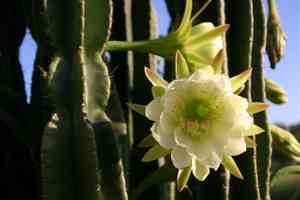
For multiplying blue cereus, a proven and efficient technique involves employing stem sections. This resilient columnar succulent flourishes when sections are harvested from vigorous, developed stalks. Verify that the chosen piece is severed precisely and given adequate time to form a callus prior to insertion into a porous cactus substrate, which aids in strong root formation. Steady warmth and controlled hydration foster successful rooting. This straightforward strategy aligns with blue cereus's attributes, encouraging robust expansion and plant proliferation.
Optimal Period for Blue Cereus Propagation
Propagation Method
Cutting
Propagation Period
Spring,Summer
Tools for Blue Cereus Propagation
Sharp Pruning Shears
These implements are utilized for acquiring clean and precise cuts from the parent blue cereus plant. Ensuring neat, non-jagged cuts lowers infection risk and promotes superior healing and rooting of cuttings. Stainless steel or carbon-coated blades are preferred for their robustness and rust resistance, vital for plant health during propagation.
Rooting Hormone Powder
This product encourages root development from blue cereus cuttings. Dipping the cut base of the cutting into the rooting hormone potentially boosts the success rate of root formation. This is crucial for blue cereus as it aids in rapidly establishing a strong root system, essential for the survival of newly propagated plants.
Sterile Potting Mix
A sterile, soilless potting mix ensures blue cereus cuttings are planted in a disease-free medium, supporting healthy root growth without soil-borne pathogens. A mix with perlite and peat moss offers excellent drainage and air circulation, key factors in preventing root rot in moisture-sensitive cacti like blue cereus.
Small Pots or Trays
These containers are employed for planting freshly cut and treated blue cereus cuttings. Ensuring adequate drainage in pots or trays is vital, as waterlogging can negatively impact the rooting process of blue cereus. Breathable materials like terracotta are especially beneficial for their moisture-wicking properties.
Plastic Covers or Mini Greenhouses
These tools establish a humid microenvironment around blue cereus cuttings, which helps prevent moisture loss from the cuttings. Maintaining controlled humidity is crucial for blue cereus cuttings to effectively develop roots without wilting or drying.
Blue Cereus Propagation Guide
Propagation Type
Easy
Post-Propagation Care for Blue Cereus
How to Care for Your Newly Propagated Blue Cereus?
After propagation, position the pot with the blue cereus cutting in a spot with ample indirect sunlight. Maintain a temperature range suitable for desert cacti, avoiding extremes. Water blue cereus when the soil is completely dry, approximately once a week, but reduce frequency in cooler months. Fertilize during the growing season with a cactus-specific fertilizer, following label instructions. Repot as needed when the cutting outgrows its current pot or after a few years to refresh the potting mix.
Common Errors to Avoid When Propagating Blue Cereus
Overwatering
Excessive moisture can lead to root rot in blue cereus.
Using non-sterile tools
Unsanitized instruments may introduce pathogens, compromising the health of blue cereus.
Incorrect soil mix
A medium that retains too much moisture can cause root issues for blue cereus.
Ignoring pest control
Pests can rapidly spread disease or damage blue cereus, especially during its vulnerable propagation phase.
Planting depth
Setting cuttings too deep in the soil can suffocate the developing roots of blue cereus.
Tips For Propagating Blue Cereus
Rooting hormone
Utilizing a rooting hormone can enhance root development in blue cereus cuttings.
Well-draining soil
A cactus or succulent mix promotes healthy root growth and prevents water retention.
Indirect light
While blue cereus needs ample light, direct sunlight can stress fresh cuttings. Indirect light is ideal during root establishment.
Correct cutting selection
Healthy, mature stems increase the likelihood of successful propagation for blue cereus.
Monitoring moisture
Maintaining slightly moist soil is crucial; neither too dry nor too wet is suitable for blue cereus.



