How to Propagate Judas tree?
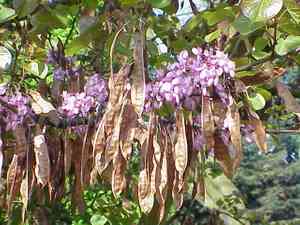
A captivating floral tree recognized for its cordate foliage and vivid blooms, the judas tree is most effectively propagated via cuttings. Optimal cuttings consist of semi-hardwood sections acquired during the period of vigorous growth. To stimulate root formation, submerging the severed end in a rooting compound prior to insertion into a well-aerated substrate is advantageous. Sustaining a moist atmosphere and supplying diffused sunlight aids the rooting procedure, thereby ensuring the successful establishment of new plants.
Optimal Propagation Period for Judas Tree
Propagation Method
Cutting
Propagation Season
Autumn,Winter
Tools Required for Judas Tree Propagation
Sharp pruning shears
These are crucial for making clean, precise cuts on judas tree cuttings. Sharp blades prevent tissue damage, which is vital for proper healing and root formation. A clean cut significantly boosts rooting success.
Rooting hormone
This substance stimulates root growth at the cutting sites of judas tree. Applying rooting hormone to the base of cuttings encourages root development, which is essential for establishing new judas tree plants. It can greatly improve rooting success, especially for species that are otherwise challenging to propagate.
Sterile potting mix
A sterile potting mix is essential to ensure judas tree cuttings are planted in a pathogen-free environment, promoting healthy root growth without the risk of soilborne diseases. The mix must offer good drainage and aeration, key qualities for the rooting medium of judas tree cuttings.
Propagation trays
These trays are useful for organizing and managing multiple judas tree cuttings simultaneously. They should have adequate drainage and be deep enough to hold the rooting medium and provide ample space for root development.
Plastic covers or humidity domes
Maintaining high humidity around judas tree cuttings is critical to prevent moisture loss from the leaves. Humidity domes placed over propagation trays create a high-humidity microenvironment, which is vital for cuttings to survive until roots develop.
Difficulty Level of Judas Tree Propagation
Propagation Type
Moderately Difficult
Post-Propagation Care for Your Judas Tree
How to Care for Your Newly Propagated Judas Tree?
After successful propagation, gradually introduce the new judas tree plants to their permanent environment. Plant them in a location with full sun to partial shade and well-draining soil, ensuring the soil is enriched with organic matter for optimal growth. Consistent watering is vital, especially during dry periods, but avoid waterlogging. Mulching helps retain moisture and control weeds. Young plants may need protection from harsh weather and pests until they are established.
Common Errors to Avoid When Propagating Judas Tree
Over-watering cuttings
Excessive moisture can lead to the decay of judas tree's cuttings. This error can cause fungal infections and ultimately destroy the propagating material.
Improper soil mix
Using an unsuitable soil mix can be detrimental to judas tree's cuttings and seeds. A mix lacking proper drainage or aeration can hinder the cutting's ability to root and the seeds' capacity to germinate.
Excessive Handling
Frequent handling or relocation of judas tree's cuttings or seedlings can disrupt root development and growth, weakening the young plants.
Ignoring Rooting Hormone
Omitting the use of rooting hormone for judas tree's cuttings may reduce the likelihood of successful rooting, as it can significantly stimulate root development.
Deep planting of seeds
Planting judas tree's seeds too deeply can prevent germination because they may not be able to penetrate the excessive soil cover to reach light.
Tips For Propagating Judas Tree
Use well-draining substrate
For judas tree, it's important to use a well-draining substrate, such as a mix of perlite and peat, to prevent waterlogging and root rot during the crucial rooting phase.
Maintain appropriate moisture
Ensuring the soil remains consistently moist but not saturated will create ideal conditions for judas tree's cuttings to root successfully.
Softwood cuttings in the appropriate condition
Taking semi-hardwood or softwood cuttings during a period when judas tree is actively growing could increase the chances of rooting, even without specifying the best season.
Minimize disturbance
Once judas tree's cuttings are potted and seeds are sown, they should be disturbed as little as possible. This aids in stable root and seedling growth.
Depth consideration for seeds
When sowing seeds of judas tree, only lightly cover them with soil as they may require sunlight for optimal germination.



