How to Propagate Eastern redbud?
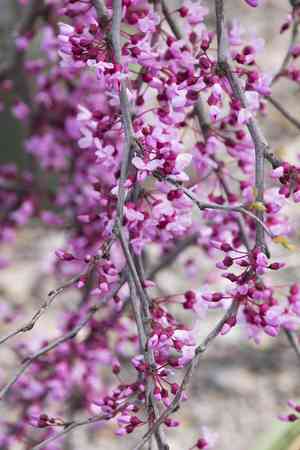
Eastern redbud is most effectively multiplied via cutting or layering techniques throughout the colder periods of fall and winter. Evidence of success includes fresh shoots and robust root formation. Perseverance is crucial, as this propagation process might demand a certain level of skill.
Optimal Period for Eastern Redbud Propagation
Propagation Method
Cutting
Propagation Season
Autumn,Winter
Tools Required for Eastern Redbud Propagation
Sharp pruning shears
These are crucial for making clean, accurate cuts on eastern redbud, which minimizes tissue damage and potential entry points for disease. A clean cut is vital for encouraging healthy root growth during propagation.
Rooting hormone
This aids in stimulating root formation on eastern redbud cuttings. It increases the likelihood of successful rooting, especially as eastern redbud can sometimes be challenging to propagate.
Sterile potting mix
A sterile potting medium is essential for eastern redbud cuttings to offer a disease-free environment, reducing infection risk while ensuring proper drainage and air circulation for developing roots.
Propagation tray with dome
Eastern redbud cuttings benefit from a high-humidity environment to prevent desiccation. A tray with a clear dome helps maintain the necessary humidity and temperature to encourage rooting.
Heating mat
Given that eastern redbud thrives in warm conditions, a heating mat can be quite beneficial. It provides consistent warmth from below, which can significantly boost root formation rates in the cuttings.
Misting bottle
A misting bottle is used to keep the foliage of eastern redbud cuttings moist, which is particularly helpful before roots have formed and the cuttings cannot yet absorb water from the soil.
Post-Propagation Care for Your Eastern Redbud
Post-Propagation Care for Your Eastern Redbud
Following propagation, provide eastern redbud with well-draining soil and conditions ranging from full sun to partial shade. Water new plantings regularly, but be careful not to overwater, allowing the soil to dry slightly between waterings. Eastern redbud should be fertilized annually with a balanced fertilizer. As the plant matures, prune selectively to maintain its shape and health. Protect young eastern redbud plants from extreme temperatures and winds until they are established.
Common Errors to Avoid When Propagating Eastern Redbud
Ignoring root development
Not allowing sufficient time for eastern redbud's root system to develop before transplanting can shock the plant, leading to failed propagation.
Improper cutting selection
Using non-viable or disease-prone cuttings for propagating eastern redbud can result in poor growth or the spread of disease.
Over-watering
Excessive water can cause eastern redbud's roots to rot, which is particularly detrimental during the rooting phase.
Neglecting hygiene
Failing to use sterilized tools can introduce pathogens to eastern redbud cuttings or seeds, jeopardizing their health.
Planting depth
Planting seeds or saplings too deeply can hinder eastern redbud's growth by reducing oxygen availability to the roots.
Advice for Propagating Eastern Redbud
Proper cutting preparation
Select healthy, disease-free branches from eastern redbud and prepare cuttings with clean, precise cuts to promote better rooting.
Rooting hormone usage
Applying rooting hormone to eastern redbud's cuttings can enhance root development and improve the chances of successful plant establishment.
Soil and moisture balance
Provide a well-draining soil mix and maintain consistent moisture without over-watering to support eastern redbud's root growth without causing rot.
Hygiene practices
Use sterilized tools and containers when propagating eastern redbud to prevent contamination and disease spread.
Appropriate planting depth
Sow eastern redbud's seeds or position cuttings at the correct depth to ensure adequate light and air reach the stems and roots.



