How to Propagate Katsura tree?
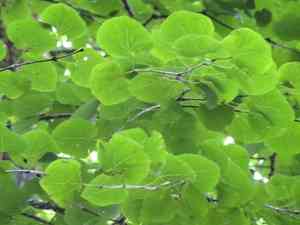
The Katsura tree is most effectively reproduced in the fall and winter periods. Preferred techniques include taking hardwood cuttings, air layering, and planting seeds. The process of propagation presents a moderate challenge, with indicators of success being the emergence of new shoots and the formation of roots. Maintaining damp soil and ensuring sufficient illumination are crucial for successful propagation.
Optimal Time for Katsura Tree Propagation
Propagation Type
Cutting
Propagation Season
Fall,Winter
Tools for Katsura Tree Propagation
Sharp pruning shears
Used for taking katsura tree cuttings, sharp pruning shears make clean cuts that heal quickly, reducing stress and disease risk.
Rooting hormone
This substance promotes root growth in katsura tree cuttings. It contains auxins, which stimulate root development and can significantly improve propagation success.
Sterilizing agent (such as alcohol or bleach solution)
Ensures all tools and containers are pathogen-free, which is vital as katsura tree cuttings are prone to infection and rot during rooting.
Propagation trays or pots
These containers hold the soil or rooting medium. Good drainage is essential to prevent waterlogging, which can cause root rot in katsura tree cuttings.
Soilless potting mix or perlite
This medium provides a sterile, well-draining environment for katsura tree cuttings to establish roots. A soilless mix helps prevent common soil-borne diseases.
Plastic covers or domes
Creates a greenhouse-like environment for katsura tree cuttings, maintaining high humidity levels beneficial for preventing desiccation.
Heat mat
Optional but helpful, a heat mat provides gentle warmth to the base of the propagation container, encouraging root development in katsura tree without overheating.
Misting system or spray bottle
Misting katsura tree cuttings maintains appropriate humidity around them, ideal for preventing leaf desiccation while promoting root growth.
Grow lights (if propagating indoors)
Simulates natural sunlight for katsura tree, providing cuttings with the optimal light spectrum for photosynthesis and growth when natural light is insufficient.
Caring for Your Newly Propagated Katsura Tree
Caring for Your Newly Propagated Katsura Tree
Once the katsura tree cutting has rooted, acclimate it to ambient conditions by gradually removing the humidity cover over about a week. When new growth appears, transplant it into a larger pot or its permanent spot. Ensure the katsura tree is in well-draining soil with adequate moisture retention, as it prefers slightly moist conditions. Avoid waterlogging to prevent root rot. Place the katsura tree in a location with full sun to partial shade. Throughout its life, provide sufficient water, especially during dry periods, and apply a balanced fertilizer during the growing season. In winter, protect young trees from harsh conditions.
Common Mistakes to Avoid When Propagating Katsura Tree
Overwatering cuttings
Excessively wet soil can lead to root rot and fungal diseases, potentially killing cuttings before they can root properly.
Ignoring humidity needs
Katsura tree cuttings require high humidity for successful rooting. A dry environment can cause cuttings to dry out and fail to establish roots.
Planting cuttings too deep
This can cause the cutting's base to rot, as it may restrict oxygen flow to developing roots, negatively impacting rooting success.
Using non-sterile tools and containers
This can introduce pathogens that can harm or kill cuttings. Sterility is crucial to prevent disease transmission.
Neglecting aftercare
Once katsura tree cuttings are planted, they need proper attention, such as gradual acclimatization to outdoor conditions. Neglecting aftercare can lead to cutting loss.
Tips For Propagating Katsura Tree
Use healthy parent material
Selecting disease-free, vigorous shoots from the parent plant ensures higher success rates in rooting katsura tree cuttings.
Maintain optimal humidity
Creating a mini-greenhouse or using a humidity dome over cuttings will help maintain the high humidity levels necessary for katsura tree propagation.
Proper soil preparation
Use a well-draining soil mix that retains moisture but allows excess water to escape, preventing root rot in katsura tree cuttings.
Proper planting depth
Plant cuttings shallowly so the base does not rot and enough oxygen can reach the new roots, enhancing the chances of successful katsura tree propagation.
Sterilize equipment
Always sterilize propagation tools and containers to minimize the risk of disease transmission to katsura tree cuttings.
Monitor and adjust care
Regularly check on katsura tree cuttings and adjust moisture levels, humidity, and light as needed to ensure healthy root development.



