How to Propagate Rubbertree?
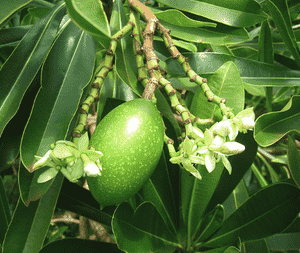
Ficus elastica can be successfully multiplied using cuttings. For optimal results, choose robust, unblemished stems. Sever a section approximately 15 cm in length, preferably with multiple leaves, and remove the foliage from the bottom. Submerge the severed tip in rooting compound to encourage root formation, then insert it into a potting blend that drains efficiently. Maintain consistent moisture in the substrate and position the cutting in diffused light until a root system develops.
When Is the Optimal Time to Propagate Rubbertree?
Propagation Method
Cutting
Propagation Period
Autumn,Winter
What Equipment Is Utilized in Rubbertree Propagation?
Sharp Pruning Shears
Crucial for making clean cuts on rubbertree's branches, minimizing harm and boosting the likelihood of successful rooting. Shears must be sharp and precise, as rough cuts can cause infections and reduce propagation success.
Rooting Hormone
Stimulates root growth and assists rubbertree cuttings in establishing more rapidly and effectively. This is especially vital for enhancing root development in semi-hardwood cuttings, which can sometimes be challenging to root.
Sterile Potting Mix
Offers a clean, controlled setting for rubbertree's cuttings to root. The sterile nature prevents disease and fungi from impacting new growth. A well-draining, nutrient-rich mix supports healthy root development.
Humidity Dome
Maintains a high moisture atmosphere around rubbertree cuttings, which is essential for preventing moisture loss through leaves and aiding in successful root development. This tool is particularly useful in drier conditions.
Heat Mat
Ensures consistent soil temperature, which is important for rubbertree's root development during propagation. Optimal root growth occurs when the soil is slightly warm, promoting faster and healthier rooting.
How to Propagate Rubbertree?
Propagation Difficulty
Moderately Difficult
How to Care for Your Newly Propagated Rubbertree?
How to Care for Your Newly Propagated Rubbertree?
Post-propagation, gradually introduce rubbertree to less humid conditions by removing the plastic cover or opening greenhouse vents over a week. Ensure the plant receives bright, indirect light and water when the top inch of soil feels dry. Avoid overwatering and fertilize monthly with a balanced liquid fertilizer during the growing season. Regularly inspect for pests and diseases and treat them promptly.
Common Errors to Avoid When Propagating Rubbertree
Overwatering
Excessive watering is a frequent error when propagating rubbertree. Too much water can lead to root rot, significantly decreasing propagation success by harming the delicate new roots.
Using low quality cuttings
Employing cuttings that are unhealthy or too small can result in poor root development and low survival rates. This error hinders the plant's ability to establish a robust root system, crucial for successful propagation.
Neglecting humidity requirements
Another error is failing to provide sufficient humidity during the initial stages of propagation. Rubbertree needs a high humidity environment to stimulate root development, and not maintaining such an environment can lead to drying out and eventual death of the cutting.
Tips For Propagating Rubbertree
Select healthy cuttings
For successful propagation, always choose strong and healthy cuttings from the parent plant. These cuttings should have ample leaves and stem, as they will possess stored nutrients that aid in the development of new roots.
Control watering
When propagating rubbertree, it's vital to maintain balanced soil moisture. The soil should be kept slightly moist but not waterlogged. Using a well-draining soil mixture can help prevent issues with excess moisture and root rot.
Create a suitable environment
Utilizing a humidity dome or placing the propagation environment in a naturally humid area can significantly boost rooting success. This increased humidity helps maintain moisture in the leaves and encourages root growth.



