How to Propagate Chinese plum-yew?
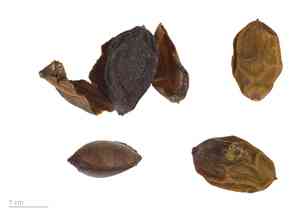
Cephalotaxus sinensis propagates most effectively through cuttings. For optimal results, choose robust semi-lignified sections. Perform cuts directly beneath a leaf node, as this enhances the prospect of root formation. Employ a rooting stimulant to encourage growth and place in a well-aerated, damp substrate. Maintaining these cuttings in consistent environments will significantly improve their chances of thriving.
What Is the Best Time To Propagate Chinese Plum-yew?
Propagation Type
Cutting
Propagation Season
Fall,Winter
What Tools Are Used in Chinese Plum-yew Propagation?
Sharp, clean pruning shears
These shears are vital for making precise cuts from chinese plum-yew without harming the parent plant. A keen edge guarantees a smooth cut, crucial for preventing infections and encouraging faster healing. This lessens stress on both the cutting and the parent plant, boosting the likelihood of successful propagation.
Rooting hormone powder
Applying rooting hormone to the base of chinese plum-yew's cuttings greatly improves root formation. This hormone stimulates root development at the cut site, shortening the time it takes for the cutting to establish and lowering the rate of propagation failures. This tool is especially helpful given the sometimes challenging rooting nature of chinese plum-yew.
Sterile potting mix
A sterile potting mix offers a clean, disease-free environment essential for the delicate roots of a new chinese plum-yew cutting. The mix should allow for proper drainage while holding enough moisture to support root growth, critical for the fragile initial stages of root development in cuttings.
Misting bottle
Regular misting of chinese plum-yew cuttings is essential, particularly for maintaining high humidity around the foliage, which helps prevent leaves from drying out before new roots have formed. The fine spray from a misting bottle evenly distributes moisture without disturbing the developing roots.
Propagation tray with dome
This tool is used to house chinese plum-yew cuttings during the initial rooting period. The dome helps maintain a consistently high-humidity environment, which is vital for encouraging root growth in cuttings. The tray allows for easy organization and movement while monitoring root development progress.
How to Propagate Chinese Plum-yew?
Propagation Type
Moderately Challenging
How to Care for Your Newly Propagated Chinese Plum-yew?
How to Care for Your Newly Propagated Chinese Plum-yew?
Once chinese plum-yew cuttings have rooted, gradually acclimate the plant by reducing misting frequency and increasing air exposure. Transplant young plants into larger containers or a protected outdoor spot with well-draining soil and partial shade. Maintain consistent moisture and shield from extreme temperatures. Regular feeding with a balanced fertilizer during the growing season will support the health and growth of chinese plum-yew.
Common Mistakes to Avoid When Propagating Chinese Plum-yew
Overwatering
Excessive watering of chinese plum-yew can lead to root rot, which significantly impairs root health and diminishes the plant's capacity to absorb essential nutrients for growth.
Using unsterilized tools
Employing unsterilized tools during the propagation process can introduce harmful pathogens to chinese plum-yew, resulting in diseases that can impede or even prevent successful propagation.
Incorrect soil mix
Using an unsuitable soil mix can negatively impact the drainage and aeration properties necessary for the healthy root development of chinese plum-yew, leading to poor propagation outcomes.
Tips For Propagating Chinese Plum-yew
Appropriate soil medium
Using a well-draining soil mix enriched with organic matter benefits chinese plum-yew by supporting its need for moisture retention without waterlogging, ensuring healthy root growth.
Moderate watering
Maintaining moderate watering practices prevents both overwatering and under-watering. Providing water just enough to keep the soil slightly moist supports optimal growth conditions for chinese plum-yew.
Using sterilized propagation tools
Sterilizing tools before propagation ensures that no external diseases are transferred to chinese plum-yew, fostering a healthier propagation environment.



