How to Propagate Common buttonbush?
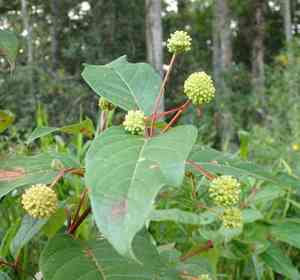
Common buttonbush is most effectively propagated in the fall and winter using methods such as cuttings and layering. This process presents a moderate challenge, and the emergence of new shoots signifies successful propagation. Adequate moisture and warmth are essential for achieving better outcomes.
When Is the Optimal Time to Propagate Common Buttonbush?
Propagation Type
Cutting
Propagation Season
Autumn,Winter
What Equipment Is Used for Common Buttonbush Propagation?
Pruning Shears
Sharp pruning shears are crucial for making clean cuts from the common buttonbush without causing unnecessary harm to the parent plant. Clean cuts help prevent disease and promote faster healing. Stainless steel blades are especially beneficial as they are less prone to rust, which is important since common buttonbush is a water-loving species.
Rooting Hormone
Rooting hormone stimulates root development in common buttonbush cuttings, increasing the propagation success rate. Powdered formulas are easy to apply to the cut stem end and are suitable for the semi-aquatic environment where common buttonbush thrives.
Sterile Potting Mix
A sterile potting mix lowers the risk of infection in new common buttonbush cuttings. A well-draining mix is vital to prevent root rot, especially because common buttonbush is susceptible to moisture-related ailments.
Propagation Trays
Propagation trays offer an organized space for common buttonbush cuttings to grow. Trays with adjustable ventilation help manage humidity and moisture levels, which is key for common buttonbush that prefers high humidity but also requires good air circulation.
Heat Mat
A heat mat maintains a consistent soil temperature, which encourages common buttonbush cuttings to root. This is particularly important for a species like common buttonbush that may benefit from extra warmth during the cooler propagation season.
Plant Labels
Plant labels help monitor the progress of each common buttonbush cutting, including planting date and any other relevant observations. This is important for maintaining a proper propagation schedule and documenting growth patterns.
Misting Bottle
A misting bottle aids in maintaining high humidity around common buttonbush cuttings, which is crucial for root development. Regular misting mimics the native swampy habitat of common buttonbush.
Gloves
Gloves protect hands from potential irritants on the common buttonbush plant and help maintain sanitary conditions while handling cuttings, reducing the risk of pathogen transmission.
How to Care for Your Newly Propagated Common Buttonbush?
How to Care for Your Newly Propagated Common Buttonbush?
Once rooting has occurred, gradually acclimate the new common buttonbush plant to less humid conditions before transplanting into a larger pot or the garden. Provide full to partial sun and moist, well-drained soil. Maintain consistent moisture, but avoid overwatering. Apply a balanced, slow-release fertilizer during the growing season for optimal health and flowering.
Common Mistakes to Avoid When Propagating Common Buttonbush
Overwatering
This leads to root rot, which can be fatal for common buttonbush cuttings attempting to develop new roots.
Neglecting humidity:
Lack of a humid environment can cause common buttonbush cuttings to dry out before they can establish roots, hindering propagation.
Using inappropriate soil
Soil that is too dense does not allow for adequate root growth and may retain too much moisture, increasing the risk of root diseases in common buttonbush cuttings.
Improper cutting technique
Incorrect cuts, such as tearing or using dull tools, damage common buttonbush's tissue and reduce the chances of successful root development.
Planting cuttings too deep
Inserting cuttings too far into the propagation medium can suffocate the developing roots of common buttonbush.
Tips For Propagating Common Buttonbush
Use healthy donor plants
Ensure the common buttonbush parent plant is healthy and disease-free to give the cuttings the best chance of rooting.
Maintain ideal moisture
Keep the soil consistently moist, but not waterlogged, to support common buttonbush root growth without causing rot.
Provide indirect light
Offer common buttonbush cuttings bright, indirect light so they have the energy to develop roots without the stress of direct sunlight.
Use rooting hormone
Applying a rooting hormone to the cut ends of common buttonbush's cuttings can encourage faster and more reliable root development.
Sterilize tools
Always use clean and sterilized cutting tools to prevent transferring diseases to the common buttonbush cuttings.



