How to Propagate Red valerian?
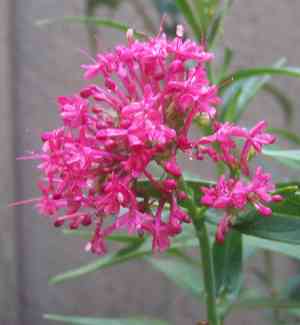
The most suitable period for propagating red valerian is in the spring and summer months. The favored technique for propagation involves using stem cuttings. This particular plant presents a moderate challenge in terms of propagation, with signs of successful growth including fresh shoots and the formation of roots. Regular misting is an essential recommendation for achieving successful propagation.
Optimal Time for Red Valerian Propagation
Propagation Method
Cutting
Propagation Period
Spring, Summer
Tools for Red Valerian Propagation
Pruning Shears
Shears are vital for taking clean, precise cuts from the parent red valerian plant. They help minimize tissue damage, preventing infections and ensuring a healthy cutting for effective rooting.
Rooting Hormone Powder or Gel
Applying rooting hormone to the cutting bases significantly boosts root development. It contains synthetic auxins that mimic the red valerian plant's natural hormones, increasing propagation success.
Sterile Potting Mix
A sterile potting mix benefits red valerian cuttings by reducing soil-borne disease risk. It provides a clean rooting environment and offers proper drainage to prevent root rot.
Propagation Tray or Pots
Trays or pots offer a secure, stable environment for red valerian cuttings, allowing proper spacing. This ensures ample room for root growth and minimizes fungal and bacterial issues from crowding.
Clear Plastic Bags or Domes
Clear plastic bags or domes create a mini-greenhouse effect for red valerian cuttings, maintaining high humidity and stable temperatures, both crucial for root formation.
Watering Can with a Fine Rose
A watering can with a fine rose attachment ensures gentle watering, preventing dislodgement of fresh red valerian cuttings. Consistent moisture is key for rooting, but avoid waterlogging to prevent rot.
Labels and Marker Pens
Using waterproof labels and pens helps track red valerian cutting propagation progress. Proper labeling ensures accurate growth monitoring and provides information on cutting dates.
How to Propagate Red Valerian
Propagation Method
Cutting
Difficulty Level
Easy
Caring for Newly Propagated Red Valerian
Caring for Newly Propagated Red Valerian
Red valerian is a robust, drought-tolerant plant needing minimal post-propagation care. Once established, transplant rooted cuttings to their final spot in well-drained soil. They prefer full sun to partial shade and need regular watering until fully established. Deadheading spent blooms encourages more flowering, but leaving some seed heads allows red valerian to self-sow, yielding new plants in subsequent years. Over-fertilization can reduce flowering, so apply a balanced, slow-release fertilizer sparingly in spring.
Common Propagation Mistakes for Red Valerian
Overwatering
Excessive watering can cause root rot and fungal diseases, negatively impacting red valerian's root system and decreasing successful propagation chances.
Deep planting
Planting red valerian cuttings or seeds too deep can impede germination and root development due to insufficient light and potential rotting in overly moist soil.
Crowding
Overcrowding red valerian cuttings or seedlings can lead to resource competition, reduced airflow, and increased vulnerability to pests and diseases.
Ignoring soil mix
Using an unsuitable soil mix can result in poor drainage and aeration, negatively affecting root growth and overall propagation success for red valerian.
Red Valerian Propagation Tips
Stem cutting selection
Select healthy, vigorous red valerian stem cuttings with at least one leaf set to promote successful rooting and growth.
Soil preparation
Prepare a well-draining soil mix with sufficient organic matter to support red valerian's root health and nutrient needs.
Environment control
Maintain a stable environment with consistent moisture and protection from extreme temperatures to ensure red valerian cuttings or seedlings thrive.
Regular monitoring
Closely observe red valerian cuttings or seeds for growth or distress signs, promptly addressing any issues to prevent potential propagation failure.



