How to Propagate Crimson fountain grass?
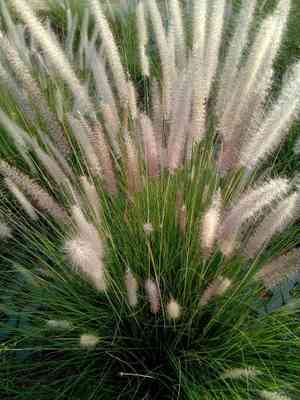
Crimson fountain grass is most effectively multiplied by separating its clumps in either Spring or Autumn. This propagation method is relatively straightforward, and successful establishment is signaled by the emergence of new shoots. Exercise caution to avoid harming the root structure during the division process.
When Is the Best Time To Propagate Crimson Fountain Grass?
Propagation Method
Splitting
Propagation Period
Spring, Fall
What Tools Are Used in Crimson Fountain Grass Propagation?
Sharp, Sterilized Garden Knife or Spade
A garden knife or spade is crucial for dividing crimson fountain grass, allowing for precise cuts and minimizing root damage. Sterilizing the tool before use reduces infection risk and promotes faster healing, increasing propagation success.
Digging Fork
This tool gently lifts crimson fountain grass from the soil, minimizing root disturbance. It's especially useful for loosening soil around the root ball, making it easier to separate plant clumps for propagation.
Gloves
Wearing gloves protects hands during division and allows safe handling of crimson fountain grass without damage or irritation from its foliage.
Rooting Hormone Powder
While not always essential for division, a rooting hormone can accelerate root development in divided crimson fountain grass sections. Applying it to cut root ends helps new plants establish faster.
Watering Can or Hose with a Gentle Spray Attachment
Proper hydration is vital after dividing crimson fountain grass. A watering can or hose with a gentle spray ensures newly propagated plants receive water without soil erosion or plant damage from strong spray.
Plant Pots with Fresh Potting Mix
These are needed for potting individual crimson fountain grass divisions if immediate ground replanting isn't possible. Fresh, high-quality potting mix provides essential nutrients and good drainage for new growth.
Labeling Materials
Labels and a waterproof marker allow identification of newly propagated plants. Tagging crimson fountain grass after division helps track its progress and specific care needs during establishment.
How to Propagate Crimson Fountain Grass?
Propagation Method
Division
Difficulty Level
Easy
How to Care for Your Newly Propagated Crimson Fountain Grass?
How to Care for Your Newly Propagated Crimson Fountain Grass?
Water crimson fountain grass regularly until established, avoiding overwatering. Provide full sun and well-draining soil. Fertilize crimson fountain grass during the growing season with a balanced, slow-release fertilizer. Cut back crimson fountain grass in late winter to early spring before new growth begins. Monitor for pests and diseases, treating as needed.
Common Mistakes to Avoid When Propagating Crimson Fountain Grass
Overwatering
Excessive watering during propagation can cause root rot and fungal issues in crimson fountain grass. Its roots need a balance of moisture and air for proper development.
Deep planting
Planting crimson fountain grass cuttings too deep can lead to stem rot before rooting occurs. Crimson fountain grass requires shallow planting for optimal rooting.
Neglecting to trim
Not trimming the top growth of crimson fountain grass cuttings can leave too much foliage for the cutting to support, hindering root formation.
Ignoring cleanliness
Using uncleaned tools or containers can introduce pathogens to crimson fountain grass cuttings, impeding growth or causing disease.
Dense soil medium
Propagating crimson fountain grass in overly dense or poorly draining soil can restrict aeration and cause waterlogging, impairing root development.
Tips For Propagating Crimson Fountain Grass
Use healthy parent plants
Choosing vigorous, disease-free parent plants ensures a higher success rate in propagating crimson fountain grass due to better root and shoot systems.
Provide indirect light
Placing crimson fountain grass cuttings in bright, indirect light promotes healthy growth without the stress of direct sunlight, which can dry out cuttings too quickly.
Moderate watering
Maintaining balanced watering encourages healthy root development in crimson fountain grass by preventing waterlogging and root rot.
Use sharp tools
Cutting crimson fountain grass with sharp, sterilized tools minimizes damage and reduces the risk of introducing diseases to the cuttings.
Rooting hormone
Applying a rooting hormone to the base of crimson fountain grass cuttings can enhance root development and increase propagation success rates.
Adequate drainage
Using a propagation medium with good drainage for crimson fountain grass ensures roots receive proper moisture without becoming waterlogged.
Humidity
Maintaining a humid environment around crimson fountain grass cuttings can help prevent leaves from drying out before roots have developed.



