How to Propagate Common hackberry?
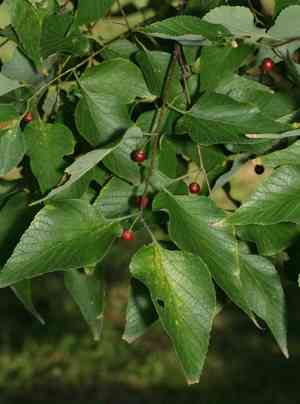
Celtis occidentalis can be reproduced via dormant wood cuttings, air layering, and seed planting during the optimal fall and winter period. The ease of propagation differs based on the technique employed, but indicators of successful reproduction could involve the emergence of roots or shoots. Essential propagation advice will be offered as required.
Optimal Time for Common Hackberry Propagation?
Propagation Method
Cutting
Propagation Period
Autumn,Winter
Tools for Common Hackberry Propagation?
Pruning Shears
Pruning shears are vital for taking cuttings from common hackberry. They enable clean, precise cuts, minimizing harm to the parent plant and boosting the cutting's rooting success. Sharp blades ensure a smooth cut, preventing tissue damage that could lead to infections or poor root growth.
Rooting Hormone
Rooting hormone aids root development on common hackberry cuttings, enhancing propagation success. Dipping the cut end into the hormone stimulates quicker, more reliable root growth compared to placing the cutting directly in soil or a rooting medium without it.
Sterilizing Agent
A sterilizing agent, like alcohol or bleach solution, is used to sanitize pruning shears before and after taking common hackberry cuttings. This practice prevents disease spread between plants and ensures the cutting begins growth in a healthy environment.
Plant Pots
Durable plant pots with adequate drainage hold the soil and common hackberry cutting. They provide the necessary environment for the cutting to develop roots and grow into a healthy plant. Drainage prevents waterlogging, which can cause root rot and other moisture-related problems.
Potting Mix
A well-draining potting mix, potentially with added perlite or vermiculite, offers common hackberry cuttings an ideal balance of moisture retention and aeration. This medium supports root growth while preventing excessive water retention that can harm the cuttings.
Plastic Bags or Domes
Plastic bags or domes are used to create a mini-greenhouse effect around the common hackberry cutting, maintaining high humidity. This is crucial for preventing the cutting from drying out before it can establish roots and absorb water from the soil.
Heating Mat
A heating mat can provide gentle, consistent bottom heat to the common hackberry cutting, encouraging faster root development. The warmth from the mat mimics natural ground temperatures during common hackberry's ideal growing season, stimulating growth.
Caring for Your Newly Propagated Common Hackberry?
Caring for Your Newly Propagated Common Hackberry?
After propagation, continue to water common hackberry regularly to keep the soil consistently moist but not waterlogged, ensuring proper drainage to prevent root rot. Position common hackberry in an area with full sun to partial shade, protecting it from strong winds. Apply a balanced fertilizer during the growing season as per package instructions. Prune common hackberry as needed to maintain desired shape and remove damaged or diseased branches. Monitor for pests and diseases, treating them promptly if they appear. With proper care, common hackberry should develop into a strong, healthy tree.
Common Errors to Avoid When Propagating Common Hackberry
Incorrect seed collection
Harvesting common hackberry seeds at the wrong ripeness stage can result in non-viable seeds. It's vital to collect seeds when fully mature but before wind dispersal or wildlife consumption.
Inadequate seed treatment
Common hackberry seeds have a tough outer shell that can hinder germination. Failing to properly treat seeds, such as through stratification, can lead to low germination rates.
Unsuitable soil medium
Using a soil medium lacking sufficient drainage or nutrients can cause root rot or poor root development in common hackberry, impacting overall health and growth.
Excessive watering of cuttings
Rooting common hackberry from cuttings requires a delicate moisture balance. Overwatering can cause cuttings to rot before roots develop.
Ignoring pests and diseases
Neglecting to check for pests and diseases during common hackberry propagation can result in weakened or diseased plants, reducing propagation success.
Advice for Propagating Common Hackberry
Seed stratification
To enhance common hackberry germination, cold stratify seeds for 60-90 days to simulate winter conditions, aiding in breaking seed dormancy.
Rooting hormone for cuttings
When propagating common hackberry via cuttings, applying rooting hormone can promote root development and increase successful propagation chances.
Proper soil preparation
Ensure the soil used for common hackberry propagation is well-draining and fertile to support healthy root growth and the plant's overall vigor.
Consistent moisture levels
Maintain consistent moisture levels when rooting common hackberry cuttings, being careful not to overwater, to foster an environment conducive to root initiation and growth.
Pest and disease management
Regularly inspect common hackberry for signs of pests or disease throughout the propagation process and take necessary measures to address any issues promptly.



