How to Propagate Cedar of lebanon?
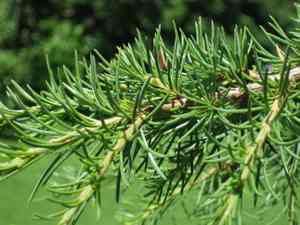
The Cedar of Lebanon, a grand evergreen, possesses a rich historical background, held in high esteem by various societies. For those wishing to multiply this stately conifer, employing cuttings is the preferred method. Choose robust, semi-woody segments from an established tree, making sure to achieve a precise incision to facilitate superior root formation. Submerge the cut end in a rooting compound prior to placing it in a growing substrate that drains effectively. Consistent moisture and perseverance will foster a robust root structure, crucial for the Cedar of Lebanon's growth and successful relocation later on.
Optimal Time for Cedar Of Lebanon Propagation
Propagation Method
Cutting
Propagation Period
Autumn,Winter
Tools for Cedar Of Lebanon Propagation
Sharp pruning shears or a knife
Crucial for obtaining cedar of lebanon cuttings, these instruments must be exceptionally sharp and clean to ensure precise cuts that avoid harming plant tissues. A clean cut promotes quicker healing and lowers infection risk, vital for successful rooting and growth of cedar of lebanon cuttings.
Rooting hormone powder or gel
Applied to the severed end of cedar of lebanon cuttings to encourage root formation and boost the likelihood of successful rooting. This hormone stimulates root growth at the cut site, essential for establishing robust new cedar of lebanon plants.
Propagating medium
A sterile, well-draining propagation substrate like sand, perlite, or vermiculite is advised for cedar of lebanon. This medium offers support and necessary aeration for cedar of lebanon cuttings, aiding healthy root development without excessive moisture retention, which can cause rot.
Misting bottle
Used to maintain humidity around cedar of lebanon cuttings, a misting bottle helps keep moisture levels ideal. Elevated humidity reduces water loss from cuttings, crucial until new roots form and can independently absorb water. Regular misting can significantly improve cedar of lebanon rooting success.
Plastic covers or mini-greenhouse
Placing propagation trays or pots under plastic covers or within a mini-greenhouse creates a controlled humid environment, beneficial for cedar of lebanon cuttings. By maintaining high humidity and stable temperatures, these covers prevent cuttings from drying out before rooting, thereby enhancing overall propagation success.
How to Propagate Cedar Of Lebanon?
Propagation Type
Moderately Difficult
Caring for Newly Propagated Cedar Of Lebanon
Caring for Newly Propagated Cedar Of Lebanon
Once cedar of lebanon cuttings have rooted and show new growth, gradually introduce them to drier conditions by removing the plastic cover for increasing durations daily over a week. After full acclimation, transfer the young plants to larger containers or directly into the ground if the climate permits. Continue regular watering and protect from extreme temperatures. Annual mulching will help retain soil moisture and provide nutrients. Monitor for pests and diseases, addressing issues promptly to ensure healthy growth.
Common Errors to Avoid When Propagating Cedar Of Lebanon
Overwatering seedlings
Excessive moisture can lead to root decay and fungal infections, impeding the delicate growth of cedar of lebanon seedlings.
Incorrect planting depth
Seeds buried too deep may not sprout, while those planted too shallow can be exposed to elements, both compromising cedar of lebanon propagation.
Neglecting sowing medium quality
Poor soil quality can hinder root development and nutrient uptake, crucial for cedar of lebanon's establishment and growth.
Ignoring stratification requirements
Without cold stratification, cedar of lebanon seeds may fail to break dormancy, significantly lowering germination rates.
Overlooking pest management
Pests can harm or destroy young cedar of lebanon plants; failing to protect them can result in unsuccessful propagation efforts.
Advice for Propagating Cedar Of Lebanon
Adequate moisture control
Maintain consistent moisture levels without waterlogging to support cedar of lebanon seedling development without causing root issues.
Correct sowing depth
Plant seeds at the appropriate depth specific to cedar of lebanon, ensuring optimal conditions for germination and growth.
Quality growing medium
Use a well-draining, nutrient-rich soil mix to provide a strong foundation for cedar of lebanon's root system and overall health.
Seed stratification
Mimic cedar of lebanon's natural germination triggers by stratifying seeds to improve the chances of successful germination.
Vigilant pest monitoring
Regularly inspect cedar of lebanon for signs of pests and take immediate action to mitigate any potential damage.



