How to Propagate Deodar cedar?
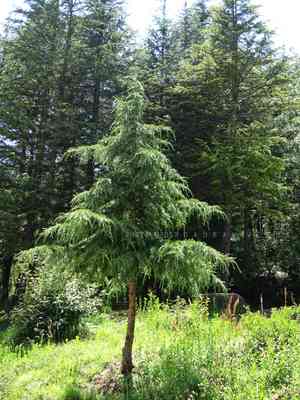
Deodar cedar reproduction is best performed in the fall and winter seasons, employing techniques such as air layering, stem cuttings, and seed planting. The level of challenge is moderate, and successful propagation is evidenced by the emergence of fresh shoots. Perseverance is crucial throughout this endeavor.
Optimal Period for Deodar Cedar Propagation
Propagation Method
Cutting
Propagation Period
Fall,Winter
Tools Utilized in Deodar Cedar Propagation
Sharp Pruning Shears
Accurate trimming of semi-woody stems for deodar cedar cuttings is vital. Sharp shears enable a clean cut, minimizing harm to the parent plant and cuttings, which helps prevent disease and boosts rooting success.
Rooting Hormone Powder
Enhances the probability of successful root formation from deodar cedar cuttings. The hormone promotes quicker root initiation, crucial for cuttings to establish and develop into robust new plants.
Sterilizing Solution
Ensures all implements, containers, and propagation trays are free of pathogens that could jeopardize the health of deodar cedar cuttings. Tool sanitization aids in preventing disease transmission during the cutting process.
Propagation Tray
Offers a regulated environment suitable for deodar cedar cutting root development. The tray can be equipped with a humidity dome to maintain high moisture levels, beneficial for cutting survival and growth.
Perlite or Vermiculite
Used for soil aeration and moisture retention in the growing substrate. These materials encourage healthy root growth by ensuring proper drainage and preventing soil compaction, critical for deodar cedar cuttings.
Moisture Meter
Monitors the moisture content in the deodar cedar cutting propagation medium, ensuring it's neither too dry nor too wet, which is essential for healthy root development.
Heating Mat
Provides warmth to the base of the propagation tray, which can improve deodar cedar rooting success by maintaining an ideal soil temperature for root development, especially in cooler settings where root growth might otherwise be slow.
Post-Propagation Care for Your Deodar Cedar
How to Care for Your Newly Propagated Deodar Cedar?
Once deodar cedar cuttings have developed a robust root system and are adapted, they should be transplanted into larger pots with suitable tree or conifer soil mix. Water thoroughly but infrequently, allowing the soil to dry slightly between waterings. Place the young deodar cedar in a sunny location and shield from harsh conditions, such as strong winds or extreme temperatures, until established. Fertilize sparingly and check for pests and diseases. Prune lightly to shape as deodar cedar matures, avoiding heavy trimming which can result in sparse regrowth.
Common Errors to Avoid When Propagating Deodar Cedar
Improper cutting selection
Attempting to propagate deodar cedar using unsuitable plant parts can lead to failure. For instance, selecting a very young or overly mature shoot may not root effectively, resulting in unsuccessful propagation.
Poor cutting health
Using diseased or damaged cuttings can hinder rooting and growth, ultimately impacting the overall health and success rate of deodar cedar propagation.
Incorrect soil medium
Employing the wrong soil type can impede root development. Deodar cedar requires a soil blend that offers good drainage yet retains sufficient moisture.
Overwatering
Excessive watering of newly planted deodar cedar cuttings can lead to root rot or fungal infections, preventing proper establishment and growth.
Neglecting humidity
Maintaining an environment with insufficient humidity can cause deodar cedar cuttings to dry out before they can establish roots, increasing the likelihood of propagation failure.
Advice for Propagating Deodar Cedar
Healthy cutting selection
Choose semi-hardwood cuttings from vigorous deodar cedar specimens. These should be neither too young nor too old, displaying strong growth without any signs of stress or disease.
Cutting preparation
Make a clean, angled cut on the chosen deodar cedar shoot to increase the rooting surface area and apply rooting hormone to enhance root development.
Appropriate soil mixture
Prepare a well-draining yet moisture-retentive soil medium, such as a blend of peat and perlite or sand, that meets the rooting requirements of deodar cedar.
Balanced watering
Water deodar cedar cuttings just enough to keep the soil moist but not waterlogged, reducing the risk of root rot while allowing sufficient moisture for root formation.
Humidity control
Create a humid microclimate for the deodar cedar cuttings by placing them under a humidity dome or within a plastic bag with ventilation holes to prevent desiccation without encouraging mold growth.



