How to Propagate Atlas cedar?
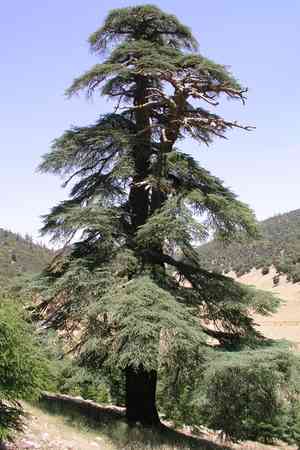
A coniferous evergreen originating from the Atlas Mountains, the atlas cedar is recognized for its conical form and bluish-green foliage. For effective propagation, it is advisable to begin with semi-hardwood cuttings obtained from robust, pathogen-free mature trees. Employing a rooting stimulant and supplying a substrate with good drainage for the cuttings is vital to foster root growth. Sustaining uniform humidity without oversaturation is critical for the cuttings' flourishing. Through perseverance and diligent attention, these measures contribute to the prosperous rearing of atlas cedar.
Optimal Time for Atlas Cedar Propagation
Propagation Method
Cutting
Propagation Period
Autumn,Winter
Tools for Atlas Cedar Propagation
Sharp Pruning Shears
Crucial for taking cuttings from atlas cedar, sharp pruning shears ensure a clean, precise cut, minimizing damage to the parent plantâs tissues. Clean cuts facilitate quicker healing of the cut areas on atlas cedar, reducing infection risk and promoting healthier cuttings.
Rooting Hormone
This compound encourages root development from atlas cedar cuttings, boosting the likelihood of successful propagation. Apply rooting hormone to the cut end of the cuttings to stimulate faster root growth and enhance overall survival rates.
Sterile Potting Mix
Offers a clean, regulated environment for atlas cedar cuttings to establish roots. A mix formulated for seedlings and cuttings, free from pathogens and pests, supports healthy root growth without competition from weeds or disease.
Propagation Tray
Holds the atlas cedar cuttings and sterile potting mix in a stable arrangement, allowing for organized growth and easy monitoring. The tray's design ensures proper drainage and creates conditions favorable for root formation.
Humidity Dome
Placed over the propagation tray, a humidity dome creates a microenvironment with high moisture levels that help atlas cedar cuttings retain moisture, reducing water loss through transpiration and increasing the probability of successful rooting.
Heat Mat
Especially beneficial for atlas cedar during colder months, a heat mat maintains an optimal temperature at the base of the propagation tray, improving the rooting environment. Consistent warmth is vital for promoting root growth in atlas cedar cuttings.
How to Propagate Atlas Cedar?
Propagation Difficulty
Moderately Difficult
Post-Propagation Care for Atlas Cedar
Post-Propagation Care for Atlas Cedar
Once the atlas cedar cutting has developed a robust root system, it can be gradually acclimated by removing the plastic covering for longer durations each day over approximately one week. After hardening off, transplant the cutting to a larger container or directly into the garden in a location with full sun and well-draining soil. Water thoroughly and consistently, allowing the soil to dry slightly between waterings. Fertilize with a balanced slow-release fertilizer in the spring. Protect young atlas cedar plants from harsh winters for the initial few years until they are fully established.
Common Propagation Errors to Avoid with Atlas Cedar
Overwatering cuttings
Excessive watering of atlas cedar cuttings can lead to root rot and fungal diseases. Too much moisture around the cutting reduces oxygen available to developing roots, hindering growth and potentially causing decay.
Using nondormant wood
Attempting to propagate atlas cedar from nondormant wood can result in poor rooting because active growth lacks the stored energy reserves necessary for root development.
Planting in unsuitable soil
Planting atlas cedar in soil that does not provide adequate drainage can lead to waterlogging. Atlas cedar requires well-draining soil to prevent root diseases.
Neglecting humidity
Failing to maintain high humidity around atlas cedar cuttings can lead to desiccation and failure to root. Without proper humidity, the cuttings may lose more water than they can absorb during root formation.
Tips for Propagating Atlas Cedar
Use semi-hardwood cuttings
Utilizing semi-hardwood cuttings from atlas cedar increases the chance of successful rooting. This type of cutting strikes a balance between having enough stored energy and being mature enough to survive independently.
Rooting hormone application
Applying a rooting hormone to atlas cedar cuttings can stimulate root growth and improve rooting success. The hormone encourages the cuttings to develop roots more quickly and robustly.
Bottom heat provision
Providing bottom heat can enhance root formation in atlas cedar cuttings. Warmth at the base of the cutting encourages faster root growth without overheating the rest of the cutting.
Control humidity
Maintaining a controlled humidity environment for atlas cedar cuttings can prevent water loss and support root development. Using a humidity dome or misting regularly can achieve the desired humidity level without overwatering.



