How to Propagate Blueblossom?
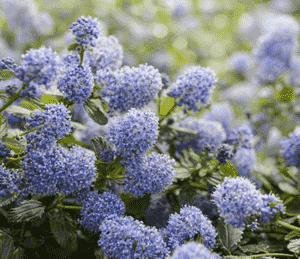
Blueblossom is most effectively propagated via cuttings in the Spring and Summer seasons. This procedure is quite straightforward, with new root formation signifying successful propagation. Maintain adequate hydration and shield from direct solar exposure during the initial growth phase.
What Is the Best Time To Propagate Blueblossom?
Propagation Type
Cutting
Propagation Season
Spring, Summer
What Tools Are Used in Blueblossom Propagation?
Pruning shears
Pruning shears are essential for taking stem cuttings. They must be sharp and clean to ensure a precise cut that avoids damaging blueblossom's stems. A clean cut helps prevent infection and promotes better rooting.
Rooting hormone
Rooting hormone aids in stimulating root development from the cut ends of blueblossom's stem cuttings. This improves the likelihood of successful rooting, which is crucial for blueblossom's propagation.
Sterile potting mix
A sterile potting mix offers a clean, pathogen-free environment for blueblossom's cuttings to root. This helps minimize disease risk, which could compromise the new plants' viability.
Pots or trays
Pots or trays are necessary containers for blueblossom's cuttings to root. They should have good drainage to keep the soil moist but not waterlogged, which is vital for root development.
Plastic covers or domes
Plastic covers or domes create a humid environment around blueblossom's cuttings, maintaining moisture and encouraging rooting. This controlled atmosphere benefits the cuttings before exposure to harsher external conditions.
Heating mats (optional)
Heating mats provide a consistent, optimal temperature at the base of blueblossom's cuttings. This can accelerate rooting, especially in cooler climates where temperature might otherwise be a limiting factor.
How to Propagate Blueblossom?
Propagation Type
Cutting
Difficulty Level
Moderately Difficult
How to Care for Your Newly Propagated Blueblossom?
How to Care for Your Newly Propagated Blueblossom?
After propagation, care for blueblossom by planting it in well-drained soil in a sunny spot. Blueblossom is drought-tolerant once established, so water sparingly, letting the soil dry between waterings. Add a layer of mulch to retain moisture and regulate soil temperature. Prune lightly to maintain shape and remove dead or damaged growth. Avoid heavy fertilizing, as blueblossom typically thrives in low-fertility soils.
Common Mistakes to Avoid When Propagating Blueblossom
Over-watering cuttings
Excessive watering can cause cuttings to rot before they can root. Blueblossom's cuttings need well-draining soil and should be kept moist but not waterlogged.
Using non-sterilized tools
Unsterilized pruning tools can introduce pathogens to the cuttings or parent plant, risking infection and poor health, which can hinder propagation success.
Taking cuttings from weak stems
Selecting weak or unhealthy stems for cuttings can lead to a lower success rate because these parts of blueblossom may lack the vigor needed for root development.
Ignoring pest issues
Failing to address pest problems on the parent plant before taking cuttings can transfer pests to the new plants. This can impede blueblossom's growth or even kill the cuttings.
Planting cuttings too deeply
Inserting cuttings too far into the soil may promote rot instead of root growth, and can suffocate the lower nodes where roots need to emerge.
Tips For Propagating Blueblossom
Use semi-hardwood cuttings
Taking semi-hardwood cuttings from blueblossom during its active growth period can boost rooting potential, as this type of cutting offers a good balance of maturity and growth capability.
Use rooting hormone
Applying a rooting hormone to the cut end of blueblossom's cuttings can stimulate root growth and increase the chances of successful propagation.
Maintain humidity
Creating a humid environment around the cuttings helps prevent dehydration until roots are established. This is especially important for blueblossom, as it requires consistent moisture without being overly wet.
Provide indirect light
Blueblossom cuttings should not be placed in direct sunlight, which can be too intense and cause them to dry out. Instead, provide bright, indirect light.
Ensure proper air circulation
Good air circulation helps prevent fungal growth on blueblossom cuttings. Fungal growth can impede root formation and overall plant health.



