How to Propagate Blue cohosh?
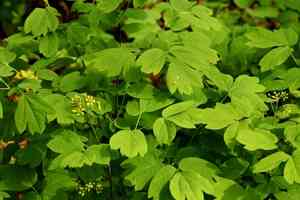
The most effective method for multiplying blue cohosh is via root division, preferably in the spring or fall seasons. This procedure can be somewhat difficult; the appearance of fresh sprouts indicates successful propagation. Gentle handling of the root system is essential to prevent harm.
Optimal Time for Blue Cohosh Propagation
Propagation Type
Division
Propagation Season
Spring, Autumn
Tools for Blue Cohosh Propagation
Garden Spade
A garden spade is crucial for dividing blue cohosh at the root. This robust tool needs a sharp edge to cleanly separate the root ball without causing undue harm to the plant's roots. It helps maintain blue cohosh's health by ensuring precise divisions.
Rooting Hormone
Rooting hormone can be applied to the cut surfaces of blue cohosh to encourage root development in new divisions. This hormone stimulates root growth and aids in the rapid establishment of new plants, boosting propagation success.
Potting Soil
Potting soil offers the necessary medium for newly divided blue cohosh to thrive. It should be rich in organic material and drain well to meet the species' specific requirements. When mixed with perlite or vermiculite, it ensures proper air and water balance, vital for root growth.
Watering Can
A watering can with a fine rose attachment is recommended for gently irrigating newly planted blue cohosh divisions. It allows for even moisture distribution without disturbing the soil or delicate roots, fostering a stable environment for new growth.
Plant Labels
Plant labels are important for tracking the progress of each blue cohosh division. They can be used to record relevant information such as the division date, anticipated growth rate, or specific care instructions, aiding in effective monitoring and care of propagated plants.
How to Propagate Blue Cohosh?
Propagation Type
Division
Difficulty Level
Easy
Caring for Your Newly Propagated Blue Cohosh
Caring for Your Newly Propagated Blue Cohosh?
Post-Propagation Care: Keep the soil consistently moist but avoid waterlogging. Shield blue cohosh from intense midday sun. Apply a balanced, slow-release fertilizer annually in spring. Monitor for pests and diseases, treating as needed. Divide blue cohosh every few years to revitalize and manage its size.
Common Mistakes to Avoid When Propagating Blue Cohosh
Overwatering
Excessive watering of blue cohosh can lead to root rot and fungal issues, as this species requires well-drained soil and moderate moisture. Over-saturation can also deplete essential oxygen from the soil, impeding root development.
Using non-stratified seeds
Attempting to germinate blue cohosh without stratifying the seeds is a frequent error. The seeds have a dormancy period and require cold stratification to break dormancy for successful germination.
Planting seeds too deeply
Sowing blue cohosh seeds too deeply in the soil can hinder successful germination because they need light to stimulate growth. Seeds should be planted at the correct shallow depth for optimal results.
Ignoring soil quality
Neglecting to use a soil mixture with the appropriate pH and nutrients can impede blue cohosh's growth. The plant prefers slightly acidic to neutral soil, rich in organic matter.
Poor site selection
Choosing a site without adequate shade can stress blue cohosh, as it is a woodland species that thrives in dappled sunlight. Full sun can damage the foliage and compromise growth.
Tips For Propagating Blue Cohosh
Cold stratification
Since blue cohosh's seeds have natural dormancy, cold stratify seeds for 60-90 days before planting to enhance germination rates. This simulates winter conditions necessary for the seeds to break dormancy.
Surface sowing
Gently press blue cohosh's seeds into the soil surface, ensuring they are not deeply covered. Light is beneficial for the germination process, so seeds should be sown shallowly.
Moisture control
Keep the soil consistently moist but not waterlogged when propagating blue cohosh. Use well-drained soil and moderate watering practices to maintain ideal moisture levels without saturating the soil.
Soil amendment
Amend the planting site with rich organic matter such as compost or leaf mold to replicate the nutrient-rich conditions of blue cohosh's natural woodland habitat and support healthy root development.
Shade provision
To mimic blue cohosh's native environment, provide dappled shade by planting under a canopy of tall trees or using shade cloth. This protects the plant from excessive sunlight and heat.



