How to Propagate Madagascar periwinkle?
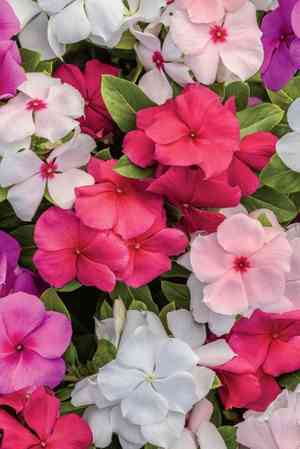
The most effective way to propagate Madagascar periwinkle is by taking cuttings in the spring and summer. This relatively straightforward technique involves monitoring for robust root development as a sign of successful propagation. Ensure steady hydration and a warm environment for the best outcomes.
When Is the Optimal Time to Propagate Madagascar Periwinkle?
Propagation Method
Cutting
Propagation Period
Spring, Summer
What Equipment Is Utilized for Madagascar Periwinkle Propagation?
Pruning Shears
These instruments are employed for harvesting cuttings from madagascar periwinkle. Their blades must be keen and sanitized to guarantee a clean incision that won't harm the parent plant and will enhance the cutting's rooting prospects.
Rooting Hormone Powder or Gel
This product assists in stimulating root development from madagascar periwinkle cuttings. It fosters quicker establishment and a greater success rate for the new plants.
Sterile Potting Mix
A soilless growing medium prevents the introduction of pathogens and offers an ideal substrate for madagascar periwinkle cuttings to root. It drains well and supports initial root formation.
Propagation Trays
These containers hold the potting mix and cuttings. They facilitate organized management of multiple madagascar periwinkle cuttings and maintain a humid environment, crucial for root development.
Plastic Domes or Covers
They create a miniature greenhouse effect over the propagation trays, preserving high humidity and stable temperatures, which are vital for madagascar periwinkle cuttings to root.
Heating Mat
By supplying warmth from below, they encourage root growth in madagascar periwinkle cuttings, particularly important in cooler conditions to maintain a consistent temperature optimal for root development.
Misting System or Spray Bottle
These tools keep madagascar periwinkle cuttings hydrated without over-saturating, which is essential for preventing rot while promoting root formation.
How to Propagate Madagascar Periwinkle?
Propagation Method
Cutting
Difficulty Level
Easy
How to Nurture Your Newly Propagated Madagascar Periwinkle?
How to Nurture Your Newly Propagated Madagascar Periwinkle?
Post-propagation, ensure madagascar periwinkle is situated in a spot with bright, indirect illumination and avoid excessively wet or dry conditions. Irrigate the plant when the top inch of soil feels arid. Fertilize every few weeks during the active growth period with a balanced, water-soluble plant food. Monitor for pests and diseases, addressing them promptly. As madagascar periwinkle prefers warm temperatures, shield it from frost and extreme cold. Pruning can help maintain its form and encourage denser growth. With appropriate care, madagascar periwinkle will continue to thrive and may produce blooms throughout its growing season.
Common Errors to Avoid When Propagating Madagascar Periwinkle
Excessive watering during propagation
Too much moisture can lead to root rot in madagascar periwinkle, hindering healthy root development necessary for successful propagation.
Taking cuttings from spent blooms
Cuttings from faded flowers possess diminished vigor and may not root effectively, potentially leading to unsuccessful madagascar periwinkle propagation.
Neglecting pests and disease
Failure to inspect for pests and diseases prior to propagation can spread issues to new plants, impacting overall health and success rates.
Not utilizing sharp implements
Dull tools can harm stems and create ragged cuts, resulting in poor healing and a reduced chance of rooting in madagascar periwinkle.
Planting cuttings too deeply
Deep planting can cause the cutting's base to decay before rooting, as it diminishes air circulation around the stem.
Tips For Propagating Madagascar Periwinkle
Correct cutting selection
Opt for healthy-looking stems with fresh growth for cuttings, as they root more reliably.
Sterilize propagation tools
Use sanitized cutting tools to prevent disease transmission and ensure a clean cut, which promotes better healing and rooting.
Moderate watering
Maintain a balance in irrigation, providing just enough to keep the soil moist but not waterlogged, to encourage rooting without causing decay.
Proper cutting placement
Insert the cutting shallowly into the growing medium so that the bottom node is just covered, leaving most of the stem above the soil line.
Appropriate humidity
Maintain high humidity around the cutting by using a plastic cover, ensuring the prevention of excessive water loss during the critical rooting phase.



