How to Propagate Moreton bay chestnut?
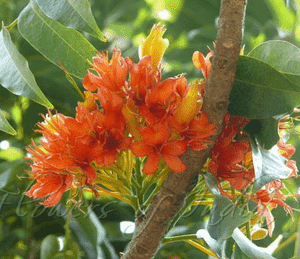
The Moreton Bay Chestnut can be successfully reproduced using cuttings, enabling cultivators to generate genetically identical progeny. Effective propagation strategies involve choosing robust semi-hardwood stems for severance and guaranteeing an adequately draining substrate to foster root growth. Cuttings ought to be harvested from thriving branches possessing multiple leaf nodes, severed beneath a node, and inserted with the node positioned below the soil line. Steady hydration and warmth will aid the cutting in forming roots, and applying rooting stimulant can expedite this procedure, resulting in a sturdy new specimen.
Optimal Period for Moreton Bay Chestnut Propagation
Propagation Method
Cutting
Propagation Period
Autumn,Winter
Tools Required for Moreton Bay Chestnut Propagation
Sharp Pruning Shears
These are crucial for taking cuttings from moreton bay chestnut with accuracy and minimal harm. Sharp blades guarantee a clean cut, which helps prevent infection and promotes faster healing and rooting. Sterilize the shears before use to avoid disease transmission.
Rooting Hormone
This aids in stimulating root development from moreton bay chestnut cuttings. Dipping the cut end of the cutting into the rooting hormone enhances the chances of successful root formation, which is vital for effective propagation.
Misting Spray Bottle
Used to maintain the moisture level around moreton bay chestnut cuttings, a misting spray bottle helps keep the environment humid, which is essential for the rooting process. Regular misting prevents cuttings from drying out before roots establish.
Sterile Potting Mix
A suitable medium for rooting moreton bay chestnut cuttings. It should be free of pathogens and provide adequate drainage and aeration, which are critical for young root development.
Propagation Tray with Dome
This tool provides a controlled environment for moreton bay chestnut cuttings. The dome helps maintain high humidity and stable temperature, both key factors in promoting root development in cuttings. The clear dome also allows sunlight to reach the cuttings, essential for photosynthesis during the rooting phase.
How to Propagate Moreton Bay Chestnut?
Propagation Type
Moderately Difficult
Post-Propagation Care for Moreton Bay Chestnut
How to Care for Your Newly Propagated Moreton Bay Chestnut?
Once moreton bay chestnut cuttings have successfully rooted, gradually acclimate them by reducing humidity and exposing them to more natural growing conditions. After acclimatization, transplant them into larger pots with rich, well-draining soil and water regularly. Position the young plants in indirect sunlight and shield them from extreme temperatures. Keep the soil moist but not waterlogged and provide a balanced, slow-release fertilizer during the growing season. Monitor for pests and diseases, treating as needed to maintain plant health.
Common Errors to Avoid When Propagating Moreton Bay Chestnut
Insufficient soil drainage
Using a soil mix that doesn't drain well can lead to waterlogging and root rot in moreton bay chestnut. Poor drainage is problematic as it deprives roots of oxygen, causing stress and increasing disease likelihood.
Overwatering
Providing too much water during moreton bay chestnut propagation can result in similar issues as inadequate soil drainage. Overwatering encourages fungal growth and can damage young roots.
Planting seeds too deep
Sowing moreton bay chestnut's seeds too deeply can hinder or prevent germination due to insufficient aeration and light access.
Using old seeds
Old or improperly stored seeds may have reduced viability, leading to low germination rates when propagating moreton bay chestnut.
Advice for Propagating Moreton Bay Chestnut
Use fresh seeds
Collect fresh seeds from mature moreton bay chestnut fruits for higher germination rates. Fresh seeds ensure a vigorous start for seedlings.
Provide well-draining soil
Employ a well-aerated, free-draining soil mix to prevent waterlogging and allow healthy root development in moreton bay chestnut.
Moderate watering
Water moreton bay chestnut's seeds and seedlings carefully, maintaining soil moisture without overwatering to protect against root rot and other moisture-related issues.
Correct seed depth
Plant moreton bay chestnut seeds at an optimal depth, typically not more than twice the seed's diameter, to facilitate successful germination.



