How to Propagate Dwarf Chestnut?
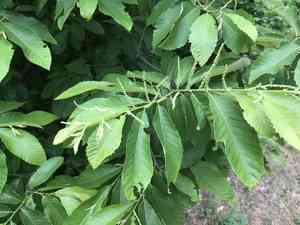
Originating from North America, the dwarf Chestnut is valued for its appealing structure and palatable nuts, flourishing in acidic soils with good drainage. The primary method for dwarf Chestnut propagation is seeding, where choosing sound, completely ripe nuts is essential. To improve germination success, stratification, which mimics cold winter periods to end seed dormancy, is advised. After stratification, the nuts ought to be sown in damp, rich earth, making sure there is sufficient depth for the taproot. Steady hydration and defense against animals are vital until the young plants are well-rooted.
When Is the Best Time to Propagate Dwarf Chestnut?
Propagation Method
Cutting
Propagation Period
Autumn,Winter
What Equipment Is Used in Dwarf Chestnut Propagation?
Sharp pruning shears
These are vital for taking clean, precise cuttings from dwarf Chestnut. A sharp blade ensures a smooth cut, minimizing harm to the parent plant and boosting the chances of successful rooting. By reducing jagged edges, the tool helps prevent infection and promotes healthier root growth.
Rooting hormone
Applying a rooting hormone to the cut end of dwarf Chestnut's cuttings enhances root development and increases propagation success. The hormone stimulates root growth at the cutting's base, crucial for establishing a new, viable plant more quickly and effectively.
Sterilized containers
Clean, sterilized containers are necessary for planting dwarf Chestnut cuttings. They prevent the introduction of pathogens that could harm the cutting before it establishes roots. Using sterilized containers ensures a controlled environment conducive to growth.
Well-draining potting mix
A light, well-draining potting mix is vital for dwarf Chestnut cuttings. It provides necessary aeration and moisture retention without waterlogging developing roots. This medium supports delicate new roots and helps prevent diseases common in overly wet soils.
Heat mats
Providing bottom heat with heat mats can significantly improve the rooting success of dwarf Chestnut cuttings. The gentle warmth promotes root development and speeds up growth, particularly in cooler environments or during less optimal growing seasons.
How to Propagate Dwarf Chestnut?
Propagation Difficulty
Moderately Difficult
How to Care for Your Newly Propagated Dwarf Chestnut?
How to Care for Your Newly Propagated Dwarf Chestnut?
Once the dwarf Chestnut cutting has rooted, gradually acclimate it to less humid conditions by removing the plastic cover. Ensure it gets adequate sunlight, water when the topsoil feels dry, and provide a balanced fertilizer during the growing season to encourage healthy growth. Monitor for pests and diseases, as dwarf Chestnut can be prone to fungal issues. Regular pruning will help maintain its shape and promote a more compact growth habit.
Common Mistakes to Avoid When Propagating Dwarf Chestnut
Improper Cutting Selection
Choosing the wrong parts of dwarf Chestnut for cuttings can lead to poor rooting and growth. Using overly mature or too young stems, which might lack the optimal balance of growth potential and hardiness, typically fails to thrive.
Overwatering
While maintaining moisture is crucial, excessive water can lead to rotting, particularly in dwarf Chestnut cuttings. This can destroy nascent roots before they properly establish, leading to failed propagation efforts.
Ignoring Soil Requirements
Dwarf Chestnut prefers well-draining, slightly acidic soil. Using a soil mix that doesn't match these conditions can hinder root development and nutrient uptake, negatively impacting overall growth.
Tips For Propagating Dwarf Chestnut
Use Semi-Hardwood Cuttings
For dwarf Chestnut, semi-hardwood cuttings taken from midsummer to early fall offer the best balance of maturity and growth potential. This type of cutting typically roots well and adapts to new growing conditions more efficiently.
Optimal Soil Preparation
Prepare a soil mixture that mimics dwarf Chestnut's natural habitatâwell-draining and slightly acidic. Adding organic matter or using specifically formulated soil mixes can enhance rooting and subsequent growth.
Regulate Moisture and Humidity
Maintaining a balanced moisture level is critical. Using misting systems or humidity trays can help keep dwarf Chestnut cuttings from drying out without oversaturating the soil, promoting healthier root development.



