How to Propagate American chestnut?
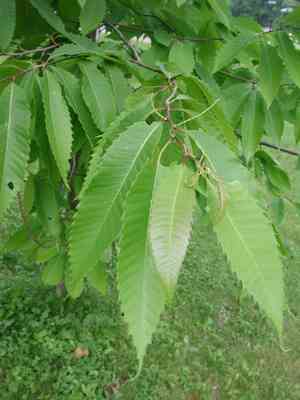
American chestnut can be multiplied in the fall and winter using dormant stem sections, air layering, and seed planting. The ease of propagation differs, with hardwood cuttings presenting the simplest approach. Successful multiplication is evident when new roots and sprouts emerge. Essential advice involves choosing robust parent specimens and guaranteeing adequate soil hydration throughout the propagation process.
Optimal Time for American Chestnut Propagation
Propagation Method
Cutting
Propagation Period
Autumn,Winter
Tools for American Chestnut Propagation
Sharp pruning shears or knife
Crucial for taking cuttings, these instruments must be sharp and clean to ensure a smooth cut that minimizes harm to the parent american chestnut and the cutting itself. A clean cut promotes faster healing and lowers infection risk.
Rooting hormone
Applied to the cut end of the cutting to encourage root development and boost the likelihood of successful propagation. Rooting hormone can be especially helpful for hardwood cuttings of american chestnut, which might root more slowly without it.
Sterilizing solution
Used for sanitizing tools before and after taking cuttings to prevent the spread of diseases among plants. Given that american chestnut is vulnerable to various pathogens, sterilization is vital for maintaining the health of the cuttings and the parent american chestnut.
Propagation tray or pots
Containers are necessary for planting the cuttings. They should offer good drainage to prevent waterlogged conditions that could lead to rotting of the developing roots.
Soilless potting mix or perlite
A well-draining, sterile growing medium is essential for supporting the cuttings as they develop roots. Soilless mixes reduce the risk of soil-borne diseases affecting american chestnut cuttings.
Plastic covers or humidity domes
These items help maintain high humidity around the cuttings, which minimizes water loss through the leaves and promotes rooting. For american chestnut, consistent humidity can be particularly important during the root development phase.
Heat mats
Optional but beneficial, heat mats can provide consistent bottom warmth, which can encourage faster rooting in american chestnut cuttings, especially during cooler propagation periods.
Misting system
Regular misting helps maintain the necessary humidity levels, but it should be balanced to avoid overly wet conditions that can lead to fungal diseases. For american chestnut, setting up a misting routine or system can aid in creating an ideal microclimate during propagation.
Caring for Your Newly Propagated American Chestnut
Caring for Your Newly Propagated American Chestnut
Once roots are established, gradually introduce the american chestnut sapling to outdoor conditions. Plant it in well-drained, slightly acidic soil with ample sunlight. American chestnut require space as they mature; remember to water consistently, especially during dry periods. Mulching can help retain moisture and regulate soil temperature. Protect young trees from wildlife, and monitor for blight, a disease to which american chestnut is susceptible.
Common Propagation Mistakes for American Chestnut
Ignoring soil requirements
Propagation failure can often be attributed to using unsuitable soil types, which don't provide the necessary drainage or nutrients for american chestnut's growth.
Overwatering
Excessive water can lead to root rot and fungal infections, both of which are detrimental to the health of american chestnut.
Planting seeds too deep
Seeds of american chestnut that are buried too deeply might not be able to emerge from the soil surface, leading to low germination rates.
Using unstratified seeds
Unstratified seeds have not undergone the pre-treatment to break dormancy, resulting in poor germination rates for american chestnut.
Neglecting to protect seedlings
Young american chestnut are vulnerable to pests and diseases. Without protection, seedlings may not survive to maturity.
Tips For Propagating American Chestnut
Soil preparation
Prepare a well-draining and fertile soil, ideally slightly acidic, to support the rooting and growth of american chestnut.
Water management
Maintain consistent moisture without overwatering to ensure the healthy development of american chestnut's root system.
Seed stratification
Mimic natural conditions by stratifying seeds of american chestnut to improve germination success.
Proper seed depth
Sow seeds of american chestnut no more than 1-2 inches deep to ensure adequate light and oxygen for germination.
Pest and disease management
Regularly monitor and protect young american chestnut from potential threats to ensure healthy growth.



