How to Propagate Yellow oleander?
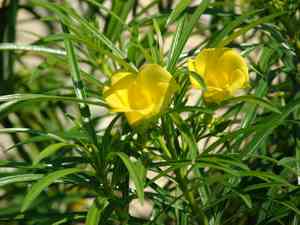
Yellow oleander flourishes when reproduced via cuttings in the spring and summer seasons. This plant presents a moderate challenge for propagation, with new shoots and flower buds signaling successful establishment. Ensure cuttings remain damp and receive ample warmth for the best outcomes.
Optimal Period for Yellow Oleander Propagation
Propagation Method
Cutting
Propagation Period
Spring, Summer
Essential Tools for Yellow Oleander Propagation
Sharp Pruning Shears
Pruning shears are vital for taking cuttings from yellow oleander. Their sharp blades ensure a clean cut without harming plant tissues, which is critical for the health of both the cutting and the parent plant. Clean cuts minimize infection risk and promote healthy root growth once planted.
Rooting Hormone
Applying rooting hormone to the cutting's base helps stimulate root formation. For yellow oleander, this can significantly boost propagation success, as the hormone encourages cuttings to produce new root cells faster than they would naturally.
Sterile Potting Mix
A sterile potting mix offers a clean environment for yellow oleander’s cuttings to root, reducing the threat of soil pathogens that could harm vulnerable cuttings. This medium should be well-draining and aerated to support healthy root growth and prevent rot.
Propagation Trays or Pots
Trays or small containers are used to plant the cuttings. They must have drainage holes to prevent waterlogging, which is especially important for yellow oleander as it needs well-drained conditions to root successfully.
Plastic Covers or Propagation Domes
A plastic cover or dome creates a humidity-controlled environment, which benefits yellow oleander cuttings by helping them retain moisture. High humidity around the cuttings prevents excessive water loss through transpiration and fosters ideal conditions for root initiation and growth.
Heat Mat (Optional)
While not always necessary for yellow oleander, a heat mat can be placed under propagation trays or pots to maintain a consistent, optimal soil temperature, encouraging quicker root development in cuttings, particularly in cooler climates or during colder months.
Steps to Propagate Yellow Oleander
Propagation Method
Cutting
Difficulty Level
Moderately Difficult
Post-Propagation Care for Yellow Oleander
Post-Propagation Care for Yellow Oleander
After propagation, care for yellow oleander by placing it in a location with full to partial sunlight and watering regularly, allowing the soil to dry slightly between waterings. Protect from frost and fertilize with a balanced feed during the growing season. Prune as needed to maintain shape and remove any dead or damaged foliage. Note that yellow oleander is toxic and should be handled with caution, keeping it away from pets and children.
Common Errors to Avoid When Propagating Yellow Oleander
Insufficient cutting preparation
Cuttings are a common method for propagating yellow oleander, but if not prepared correctly, they may fail to root. Cuttings should come from healthy, disease-free parts of the plant.
Incorrect rooting medium
Using an unsuitable rooting medium can hinder cuttings from developing roots. A well-draining, sterile medium is essential.
Excessive watering
Too much water can cause yellow oleander cuttings to rot before they can root, jeopardizing propagation efforts.
Neglecting sterility
Not using sterile tools when taking cuttings or seeds can introduce pathogens, which may kill the cutting or seedling or reduce its vigor.
Advice for Propagating Yellow Oleander
Proper cutting selection
Choose semi-hardwood cuttings that are 4-6 inches long and remove the lower leaves to encourage better rooting for yellow oleander.
Rooting hormone
Application of a rooting hormone can enhance root development, improving the chances of successful propagation of yellow oleander.
Appropriate humidity
Maintaining high humidity around the cuttings can prevent them from drying out before they have a chance to root.
Monitoring and care
Regularly check for signs of growth or distress in yellow oleander cuttings and adjust care as necessary to ensure healthy root development.



