How to Propagate Shagbark hickory?
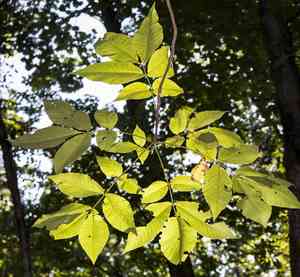
Shagbark hickory can be reproduced via dormant stem sections, air layering, and planting seeds in the fall and winter seasons. These techniques present a moderate challenge and demand perseverance. Indicators of successful reproduction involve the appearance of fresh shoots and the formation of roots. Essential advice includes utilizing robust stems and ensuring appropriate hydration.
Optimal Time for Shagbark Hickory Propagation
Propagation Method
Cutting
Propagation Period
Autumn,Winter
Tools Required for Shagbark Hickory Propagation
Pruning Shears
Pruning shears are vital for obtaining cuttings from the mature shagbark hickory plant. Used for making clean, precise cuts, they minimize harm to the parent plant and boost the likelihood of successful rooting for the cuttings. Ideal shears are sharp, disinfected, and feature a bypass blade design to encourage healthy regrowth on the parent plant.
Rooting Hormone
Rooting hormone encourages root growth on shagbark hickory cuttings, increasing the probability of successful propagation. A powdered or gel formulation can be applied to the cut end of the cutting before planting, promoting faster and more uniform root development.
Potting Mix
A well-draining potting mix is essential for potting shagbark hickory cuttings. It offers a suitable medium that retains moisture while allowing excess water to drain, preventing root rot. A blend of peat, perlite, and vermiculite is often suggested for shagbark hickory due to its aeration properties and moisture retention.
Propagation Trays
Propagation trays are utilized to house multiple shagbark hickory cuttings in a controlled setting. They help maintain consistent moisture levels and can be covered with a clear plastic dome to create a greenhouse effect, ensuring high humidity and ideal temperatures for root development.
Misting System
A misting system is crucial for keeping shagbark hickory cuttings hydrated without overwatering. Frequent misting prevents the delicate cuttings from drying out while they establish roots, which is critical for their survival and growth.
Propagation Mat
A propagation mat provides a gentle heat source for shagbark hickory cuttings, which encourages quicker root growth. By maintaining a stable and slightly elevated soil temperature, it enhances the success rate of cutting propagation, especially in cooler environments.
Post-Propagation Care for Your Shagbark Hickory
How to Care for Your Newly Propagated Shagbark Hickory?
Shagbark hickory thrives in sunny locations and well-draining soil. Once seedlings are robust enough for outdoor conditions, they should be moved to their permanent outdoor spot. Water consistently to establish a deep root system, particularly during dry spells. As shagbark hickory is a large tree, ensure ample room for growth, and be mindful of its proximity to structures or power lines due to its mature size.
Common Errors to Avoid When Propagating Shagbark Hickory
Ignoring seed stratification
Failing to stratify shagbark hickory seeds is a critical mistake as they require a cold treatment period to break dormancy. Skipping stratification will likely lead to poor germination rates.
Planting seeds too deep
Seeds planted excessively deep can struggle to emerge through the soil surface, impeding successful germination and growth of the shagbark hickory.
Overwatering cuttings
Excessive water can result in root rot and fungal infections in shagbark hickory cuttings. This common error can destroy new propagules.
Neglecting disease management
Failing to control pests and diseases can compromise shagbark hickory's health, impacting the vigor of both seeds and cuttings. This oversight can lead to unsuccessful propagation efforts.
Using non-sterile tools
Propagation with non-sterile tools can introduce pathogens, negatively affecting the success rate of growing shagbark hickory.
Advice for Propagating Shagbark Hickory
Cold stratification
To encourage germination, provide an artificial winter for shagbark hickory seeds through cold stratification, mimicking natural conditions to stimulate the breaking of seed dormancy.
Appropriate planting depth
Plant shagbark hickory seeds at the correct depth, generally no more than twice the seed's diameter, to ensure adequate access to light and air essential for germination.
Moderate watering
Provide a balanced amount of water for shagbark hickory cuttings to maintain moist soil conditions without causing waterlogging, which can reduce propagation success.
Disease monitoring
Regularly check shagbark hickory for signs of pests and diseases during propagation to intervene early and maintain plant health.
Sterilization of equipment
Use sterile tools when taking cuttings or handling seeds of the shagbark hickory to prevent the spread of diseases and increase the chances of successful propagation.



