How to Propagate Pecan?
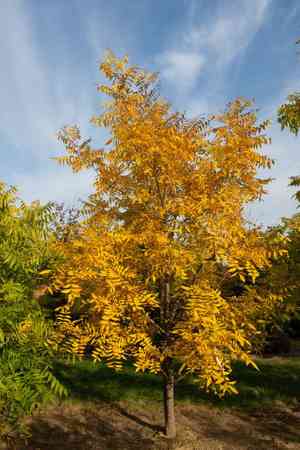
Pecan is a tree that yields nuts, recognized for its prized timber and consumable kernels. Reproduction is predominantly achieved via cuttings to retain the genetic attributes of exceptional specimens. Softwood sections acquired in the initial part of summer can be treated with a rooting stimulant and placed in a substrate that drains effectively. Guaranteeing sufficient hydration and safeguarding against harsh environments will foster root growth. Through meticulous management and disease avoidance, genetically identical trees are more prone to replicate the advantageous qualities of the progenitor.
Optimal Period for Pecan Propagation
Propagation Method
Cutting
Propagation Season
Autumn,Winter
Tools for Pecan Propagation
Sharp Pruning Shears
Crucial for obtaining healthy, precise cuttings from pecan. Sharp blades ensure clean cuts, minimizing harm to the parent plant and boosting the success rate of rooting in the cuttings.
Rooting Hormone Powder
Stimulates root growth from the cut stem of pecan. Applying rooting hormone to the cut end promotes faster and more dependable root formation, vital for the survival and development of new plants.
Sterilized Potting Mix
Offers a clean, nutrient-rich, and well-draining medium for pecan cuttings to root. Sterilization prevents disease spread, which is essential for the successful propagation of delicate young plants like pecan.
Propagation Trays
Used to arrange and support multiple pecan cuttings in a controlled setting. Trays should provide sufficient drainage and space for growth, accommodating several new plants in a compact area.
Humidity Dome
Placed over propagation trays to maintain a high humidity environment around pecan cuttings. This tool helps prevent moisture loss from the cuttings, significantly improving their chances to develop roots and adapt to new growing conditions.
Pecan Propagation Difficulty
Propagation Type
Moderately Difficult
Post-Propagation Care for Pecan
How to Care for Your Newly Propagated Pecan?
After propagation, pecan trees need full sun and rich, fertile soil to flourish. Consistent watering aids young trees in establishing, but mature trees tolerate drought well. Pruning helps maintain shape and health, removing dead or diseased branches. Annual checks for pests like pecan weevil and diseases such as pecan scab are crucial. Fertilize in early spring and mid-summer to support growth and nut production.
Common Errors to Avoid When Propagating Pecan
Using poor quality nuts
Beginning pecan propagation with inferior or damaged nuts can lead to low germination rates. This compromises the overall health and vigor of new plants, potentially resulting in weak seedlings more prone to disease and environmental stress.
Planting at incorrect depth
Burying seeds too deep or too shallow can hinder the germination process of pecan. If seeds are too deep, they may lack sufficient oxygen and fail to sprout; too shallow, and they might dry out or be dislodged by environmental factors.
Ignoring soil conditions
Using unsuitable soil, or failing to adequately prepare the soil for pecan, can impede root growth and nutrient absorption. Soil that is too dense, nutrient-deficient, or poorly draining can be particularly problematic for the development of healthy pecan.
Overwatering
While moisture is essential for germination, excessive water can lead to fungal diseases or root rot in pecan, severely harming or killing young plants.
Pecan Propagation Tips
Select high-quality seeds
Choose mature, undamaged nuts for pecan propagation. Healthy seeds will have a higher germination rate and produce more robust seedlings.
Optimal planting depth
Plant pecan seeds at the correct depth, typically around 2 to 3 inches. This depth helps ensure adequate moisture retention and protection while allowing for proper growth and emergence of seedlings.
Soil preparation
Ensure the soil is well-draining, fertile, and loose enough to allow for unimpeded root growth of pecan. Incorporating organic matter can improve soil structure and fertility, supporting healthier growth.
Appropriate watering
Maintain balanced soil moisture by watering deeply but infrequently, ensuring the soil is moist but not waterlogged. Regularly monitoring soil moisture can prevent overwatering and its associated risks.



