How to Propagate Bitternut hickory?
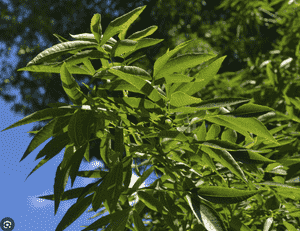
The Carya cordiformis can be reproduced through dormant stem sections, aerial layering, and planting seeds in the fall and winter seasons. This species exhibits a moderate propagation success rate, with indicators of successful growth being the formation of roots and the emergence of fresh shoots. Verify that the cuttings and seeds originate from a robust, established specimen, and supply adequate hydration and nourishment throughout the propagation phase.
Optimal Time for Bitternut Hickory Propagation
Propagation Method
Cuttings
Propagation Period
Fall,Winter
Tools for Bitternut Hickory Propagation
Sharp Pruning Shears
These tools are essential for making clean cuts from the parent bitternut hickory tree, preventing unnecessary damage to plant tissue. A clean cut increases the likelihood of successful rooting by minimizing infection risk and promoting quick healing.
Rooting Hormone
This compound encourages root development from bitternut hickory cuttings. It significantly boosts the chances of cuttings taking root by enhancing the natural rooting process, leading to more dependable propagation outcomes.
Sterilizing Agent
Used to sanitize pruning shears and other tools, sterilizing agents prevent pathogen spread to bitternut hickory cuttings. Healthy cuttings are vital for successful propagation, and tool sterilization is key to maintaining a disease-free environment.
Soilless Potting Mix
A well-draining, nutrient-rich medium like a soilless potting mix provides bitternut hickory cuttings with an ideal environment for root growth. The mix should be slightly moist to supply water while preventing root rot.
Planting Pots with Drainage Holes
These containers allow excess water to drain, which is crucial for preventing waterlogged conditions that could cause fungal diseases in bitternut hickory cuttings. Proper drainage supports healthy root development.
Plastic Bags or a Propagation Chamber
A humidity dome or clear plastic bags can cover bitternut hickory cuttings to maintain high humidity and stable temperatures. This micro-environment helps prevent cuttings from drying out before they can establish roots.
Heating Mat
For bitternut hickory cuttings, bottom heat from a heating mat can accelerate root development. The mat should be set to maintain a consistent, suitable temperature to stimulate growth without overheating the cuttings.
Caring for Your Newly Propagated Bitternut Hickory
Caring for Your Newly Propagated Bitternut Hickory
Once roots are established, gradually introduce the bitternut hickory to outdoor conditions and transfer it to a larger pot with well-draining soil. Bitternut hickory thrives in full sun to partial shade and needs consistent watering to develop a strong root system. After the first year, water deeply during extended dry spells. Fertilize annually with a balanced fertilizer and check for pests and diseases. Pruning is generally not required, but if necessary, perform it in late winter to early spring to correct any structural issues.
Common Propagation Errors for Bitternut Hickory
Insufficient seed stratification
Stratification mimics natural winter conditions that bitternut hickory seeds require to break dormancy. Without this, seeds may not sprout, leading to propagation failure.
Incorrect planting depth
Planting seeds too deep can hinder bitternut hickory seedlings from emerging through the soil surface, while planting too shallow may expose seeds to predation or poor growth conditions.
Ignoring soil type
Bitternut hickory thrives in well-drained soil; using heavy clay or waterlogged soils can result in root rot and poor plant development.
Neglecting moisture levels
Overwatering or underwatering bitternut hickory during its early growth stages can be harmful. Both can lead to a lack of oxygen or desiccation, negatively impacting seed germination and seedling health.
Improper seed source
Using seeds from unhealthy bitternut hickory specimens or trees outside their native range can result in weak plants or those poorly adapted to local conditions.
Tips For Propagating Bitternut Hickory
Cold stratification
Apply a period of cold stratification to break seed dormancy. This enhances bitternut hickory seed germination rates by replicating the natural chilling period seeds would experience in the wild.
Optimal planting depth
Plant bitternut hickory seeds at the correct depth, typically between 1/2 to 1 inch deep. This ensures seeds are adequately covered but not too deep to prevent successful germination.
Soil composition
Utilize a soil mix that imitates bitternut hickory's natural habitat. A balanced blend of loam and sand with good drainage provides the best conditions for root growth and overall health.
Watering regimen
Maintain consistent moisture levels without waterlogging by adhering to a well-planned watering schedule. This is crucial for bitternut hickory seed germination and the healthy development of seedlings.
Select healthy seeds
Choose seeds from robust bitternut hickory specimens and prefer local seed sources. This selection ensures higher seedling vitality and better adaptation to local environmental conditions.



