How to Propagate Safflower?
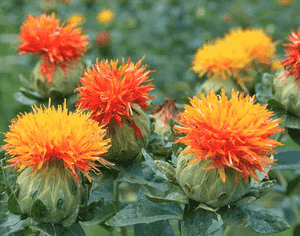
Safflower is most effectively propagated by planting seeds in the spring, presenting a moderate challenge. Evidence of successful propagation includes the emergence of seedlings and robust young plants. Sufficient hydration and soil that drains properly are crucial for peak development.
Optimal Time for Safflower Propagation
Propagation Method
Seeding
Propagation Period
Spring
Tools Required for Safflower Propagation
Seed Trays
Seed trays are perfect for initiating safflower seeds in a regulated setting. They facilitate the organized planting of multiple seeds and maintain consistent moisture levels, which is vital for safflower seed sprouting. Their shallow depth suits safflower's modest root growth during early stages.
Seedling Heat Mat
A seedling heat mat's purpose is to deliver consistent warmth to the base of seed trays, boosting germination rates. Safflower seeds will benefit from the uniform temperature, especially in cooler climates, as it promotes better and faster seedling emergence.
Misting Bottle or Spray Nozzle
A misting bottle or a hose with a spray nozzle attachment is utilized to water safflower seeds without dislodging them or causing soil erosion. It provides a gentle spray that keeps the seeds damp, which is crucial for germination, and helps prevent mold and disease development.
Potting Mix
High-quality potting mix offers a balanced growing medium with good drainage and nutrient content for safflower seeds. It ensures that the delicate roots of safflower seedlings can easily penetrate the soil and access the necessary nutrients for vigorous growth.
Grow Lights (if indoors)
Grow lights are indispensable when germinating safflower seeds indoors as they supply the essential light spectrum to substitute sunlight. These lights contribute to healthy growth by enabling photosynthesis, leading to more robust seedlings.
Perlite or Vermiculite
Adding perlite or vermiculite to the potting mix enhances aeration and drainage, which prevents root rot in safflower seedlings. These materials ensure a superior environment for root development, crucial for successful safflower establishment.
Labeling Stakes or Markers
Labeling stakes or markers are employed to identify different safflower varieties or to track planting dates. They aid in maintaining organization during propagation and ensure appropriate care is given to each plant type throughout its development.
Dibber or Pencil
A dibber or pencil is a simple tool used to create appropriately-sized holes for safflower seeds. It allows for precise planting at the correct depth, ensuring optimal conditions for seed germination and root development.
How to Propagate Safflower
Propagation Method
Seeding
Difficulty Level
Easy
Caring for Your Newly Propagated Safflower
Caring for Your Newly Propagated Safflower
Safflower requires minimal upkeep once established. Ensure it is situated in an area with ample sunlight. Water safflower regularly, but avoid overwatering; safflower is drought-tolerant. Fertilize with a balanced feed during the growing season to encourage blooming and seed production. Monitor for pests and diseases, and address issues promptly. Mulching can help retain soil moisture and suppress weeds around safflower. Harvest safflower when flowers fade and seeds have matured, typically in late summer or early autumn.
Common Errors to Avoid When Propagating Safflower
Excessive Watering
Gardeners might assume safflower needs constant moisture, but overwatering can lead to root rot and fungal issues, hindering the plant's ability to establish itself.
Insufficient Light
Safflower thrives in full sun, and inadequate light can result in weak, leggy plants that are less productive and more vulnerable to pests and diseases.
Planting Depth
Safflower seeds or seedlings planted too deep may struggle to emerge or develop correctly. This can lead to poor root development and reduced vigor.
Soil Preparation
Neglecting to prepare the soil with sufficient nutrients and proper drainage can lead to poor plant health, as safflower prefers well-drained, fertile soil.
Ignoring Pests
Safflower can be susceptible to pests like aphids and whiteflies. Overlooking early signs of infestation can lead to more severe damage and reduced propagation success.
Tips For Propagating Safflower
Seed Handling
Handle safflower seeds gently to prevent damage. Damaged seeds may have reduced germination rates, impacting successful propagation.
Germination Environment
Provide a warm and moist environment for safflower seeds to sprout effectively. Inadequate conditions can lead to poor or uneven germination.
Spacing
Sow safflower seeds or plant seedlings with ample space between each to ensure proper air circulation, sunlight distribution, and room for growth.
Adequate Sunlight
Ensure safflower receives full sun for most of the day, as this is crucial for strong growth and development.
Regular Monitoring
Periodically check safflower for signs of pests, diseases, and water stress, as early detection and intervention can significantly improve propagation outcomes.



