How to Propagate Loose-flower hornbeam?
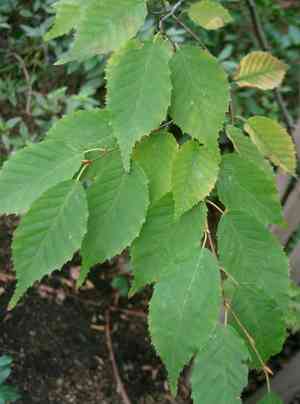
Loose-flower hornbeam can be successfully multiplied using cuttings. It is essential to choose robust, semi-lignified cuttings from established specimens. Employ a keen, disinfected blade to execute a precise incision directly beneath a joint. Insert the cuttings into a substrate that drains efficiently, preserving steady dampness while preventing saturation. The application of rooting stimulant can elevate the chances of success. Guarantee a moist and temperate setting to encourage root development.
What Is the Best Time To Propagate Loose-flower Hornbeam?
Propagation Type
Cutting
Propagation Season
Autumn,Winter
What Tools Are Used in Loose-flower Hornbeam Propagation?
Pruning Shears
Pruning shears are vital for taking clean, precise stem cuttings from loose-flower hornbeam. Sharp blades prevent tissue damage, reducing infection risk and promoting better rooting.
Rooting Hormone
Rooting hormone helps stimulate root growth from cuttings. For loose-flower hornbeam, applying rooting hormone can significantly boost the success rate of new root formation.
Propagation Trays
Propagation trays offer a controlled setting for loose-flower hornbeam cuttings to root. They ensure consistent moisture and temperature, crucial for successful root development.
Humidity Dome
A humidity dome maintains high moisture levels, essential to prevent cuttings from drying out. For loose-flower hornbeam, this keeps the environment moist, increasing survival and growth chances.
Sterile Potting Mix
A well-draining, sterile potting mix lowers the risk of fungal infections. Using a mix specifically for cuttings provides loose-flower hornbeam with the best medium for root establishment.
Heat Mat
A heat mat provides warmth from below to cuttings, which can speed up the rooting process for loose-flower hornbeam. Gentle heat encourages faster root development.
Misting Bottle
A misting bottle is necessary for keeping cuttings moist without overwatering. Consistent misting helps maintain the required humidity for loose-flower hornbeam cuttings to root effectively.
Alcohol Wipes
Alcohol wipes are crucial for sterilizing tools before and after use to prevent disease spread. Clean tools ensure loose-flower hornbeam cuttings are not exposed to potential pathogens.
How to Propagate Loose-flower Hornbeam?
Propagation Type
Moderately Difficult
How to Care for Your Newly Propagated Loose-flower Hornbeam?
How to Care for Your Newly Propagated Loose-flower Hornbeam?
Once loose-flower hornbeam cuttings have rooted, typically in a few weeks to months, gradually introduce them to outdoor conditions. Replant them into individual pots with suitable soil, keeping the soil consistently moist. Provide bright light but avoid direct, intense sun. After a year of growth, the young plants can be moved to their permanent outdoor spots. Regularly check for pests and diseases, and fertilize appropriately for healthy development.
Common Mistakes to Avoid When Propagating Loose-flower Hornbeam
Overwatering
Excessive moisture can lead to root rot or fungal issues, hindering root development and the overall health of loose-flower hornbeam.
Using Poor Quality Soil
Substandard soil can restrict nutrient availability and drainage, impeding growth and potentially suffocating roots.
Inadequate Light
Insufficient light levels can stunt growth and reduce the energy loose-flower hornbeam needs for successful propagation.
Failing to Sterilize Tools
Unsterilized tools can introduce diseases and pests, jeopardizing the health of cuttings and seedlings.
Tips For Propagating Loose-flower Hornbeam
Select Healthy Cuttings
Always choose disease-free and robust cuttings to ensure strong new growth during the propagation process.
Use Well-draining Soil Mixtures
Opt for a soil blend that allows good drainage yet retains sufficient moisture to support developing roots.
Maintain Optimal Humidity
Keep cuttings in a humid environment to aid rooting while ensuring adequate air circulation to prevent fungal problems.
Ensure Clean Tools and Containers
Sterilize your equipment and containers to prevent the spread of pathogens.



