How to Propagate Natal plum?
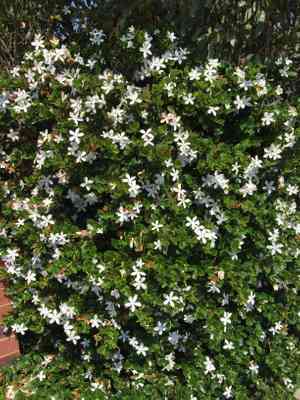
Carissa macrocarpa is most effectively multiplied from stem sections throughout the warmer periods of spring and summer. Its reproduction typically presents moderate ease, with the emergence of new foliage signaling successful development. Utilize a growing medium that drains efficiently to prevent the decay of roots.
Optimal Time for Natal Plum Propagation
Propagation Method
Cutting
Propagation Period
Spring, Summer
Tools Required for Natal Plum Propagation
Sharp pruning shears
Crucial for making clean, precise cuts from the parent natal plum without causing unnecessary harm to the plant tissue. Sharp blades ensure a clean cut that heals quickly, reducing the risk of disease.
Rooting hormone
Encourages quicker root development from natal plum cuttings. Rooting hormone contains auxins which stimulate root growth, increasing the chances of successful propagation.
Sterilizing agent (e.g., isopropyl alcohol or bleach solution)
Used to sanitize pruning shears and other tools before cutting the natal plum to prevent the spread of diseases and pathogens during the propagation process.
Propagation trays or pots
Hold the natal plum cuttings while they develop roots. Trays or pots should have good drainage to prevent waterlogged conditions that could lead to rot.
Potting mix or perlite
Provides a well-draining medium conducive to root growth for the natal plum cuttings. A mixture that is light and aerated allows roots to develop easily without being waterlogged.
Plastic bags or clear domes
Create a humid environment around the natal plum cuttings to prevent moisture loss from leaves and stems, aiding in successful root development.
Heating mat (optional)
Promotes root growth in natal plum cuttings by maintaining a steady soil temperature. Warmth can stimulate root formation and speed up the propagation process, especially in cooler climates.
How to Propagate Natal Plum?
Propagation Method
Cutting
Difficulty Level
Moderately Difficult
How to Care for Your Newly Propagated Natal Plum?
How to Care for Your Newly Propagated Natal Plum?
After successful propagation, care for natal plum by watering it regularly to keep the soil consistently moist and by providing it with bright, indirect sunlight. Fertilize natal plum with a balanced, slow-release fertilizer during the growing season to encourage growth. Protect natal plum from frost, as it is sensitive to cold temperatures. Pruning can be done to maintain shape and to remove any dead or damaged limbs. With time, natal plum can tolerate direct sunlight and should be gradually acclimatized to its full light requirements.
Common Mistakes to Avoid When Propagating Natal Plum
Overwatering
Excessive watering can lead to root rot, which is detrimental to natal plum's growth. The species prefers well-drained soil and can be prone to fungal diseases if the roots are constantly wet.
Poor cutting selection
Using weak, diseased, or non-viable cuttings from natal plum can result in poor propagation outcomes. Strong, healthy stems are needed to improve the odds of successful rooting.
Planting depth
Inserting cuttings too deeply can cause natal plum's cuttings to rot before they root. Conversely, shallow planting may not provide enough support for the cutting to stand upright and grow.
Ignoring pest issues
Not addressing pest infestations promptly can hinder natal plum propagation. Pests can damage young cuttings and reduce the plant's ability to establish itself.
Tips For Propagating Natal Plum
Use clean tools
Ensure all cutting tools are sterilized before taking cuttings from natal plum to prevent the spread of diseases, which is critical for healthy plant development.
Right cutting size
Select cuttings that are 4-6 inches in length with several leaf nodes for propagation. This size tends to root well and has enough energy reserves to grow new roots.
Moisture control
Keep the soil consistently moist but not waterlogged when rooting natal plum cuttings, as proper soil moisture levels are vital for root development without causing rot.
Pest management
Regularly inspect natal plum cuttings for signs of pests and treat them early with appropriate measures to avoid infestations that can hinder growth and establishment.



