How to Propagate Creeping broad-leaf sedge?
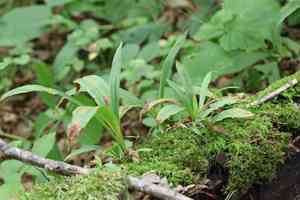
Creeping broad-leaf sedge, characterized by its thick clusters and expansive growth, flourishes when reproduced via separation. Dividing established clumps guarantees a greater rate of success, making certain that each new plantlet possesses both roots and nascent stems. Delicately pulling apart the clusters during their initial growth stages helps reduce stress, encouraging superior integration into adequately draining soil with steady hydration. Meticulous handling throughout this procedure is vital for the swift recuperation and robust development of creeping broad-leaf sedge following propagation.
Optimal Time for Creeping Broad-leaf Sedge Propagation
Propagation Method
Division
Propagation Period
Spring,Autumn
Tools for Creeping Broad-leaf Sedge Propagation
Sharp Garden Spade or Knife
A keen spade or blade is essential for dividing creeping broad-leaf sedge. This implement facilitates clean cuts through the root system, minimizing harm and encouraging faster plant recovery. Its sharpness ensures precise incisions, lessening plant stress, which is vital for new transplants' survival.
Garden Fork
A garden fork is employed to gently lift creeping broad-leaf sedge from the ground without unduly disturbing the surrounding soil structure or harming the plant's roots. It is especially useful for loosening the soil around the plant, simplifying its removal for division. This tool aids in preserving root system health during propagation.
Watering Can with a Fine Rose
Following division, it is crucial to thoroughly water creeping broad-leaf sedge to ensure proper establishment in their new environment. A watering can with a fine rose attachment guarantees a gentle, even water distribution, preventing soil erosion around newly planted divisions and providing necessary hydration for recovery.
Rooting Hormone Powder or Gel
Applying a rooting hormone to the freshly cut sections of creeping broad-leaf sedge can significantly boost root development in new divisions. This product stimulates root growth and aids in quicker plant establishment in a new location, which is critical for successful propagation.
Propagating Creeping Broad-leaf Sedge
Propagation Difficulty
Easy
Caring for Newly Propagated Creeping Broad-leaf Sedge
Caring for Newly Propagated Creeping Broad-leaf Sedge
After propagation, creeping broad-leaf sedge needs consistent moisture but should not sit in water. Position in partial to full shade, ideally in slightly acidic to neutral soil for best growth. Reduce weed competition by mulching around the plants. Regularly check for pests and diseases and treat as needed to maintain healthy growth and foliage.
Common Errors to Avoid When Propagating Creeping Broad-leaf Sedge
Over-watering
When propagating creeping broad-leaf sedge, excessive watering can lead to root rot, a condition where roots begin to decay. This significantly reduces the plant's ability to absorb nutrients and water, impacting its overall health and survival.
Poor soil choice
Creeping broad-leaf sedge thrives in well-drained soil. However, using overly dense or poorly draining soil can cause water to accumulate around the roots, promoting fungal diseases and hindering growth.
Deep planting
Planting creeping broad-leaf sedge too deeply can bury the plant's crown, causing it to rot. Creeping broad-leaf sedge needs its crown (where roots meet stem) to be just at or slightly above the soil surface for proper growth.
Tips For Propagating Creeping Broad-leaf Sedge
Adequate spacing
When planting creeping broad-leaf sedge, ensure sufficient space between divisions. This allows for good air circulation and lowers the risk of disease spreading among plants.
Regular monitoring
Periodically inspect creeping broad-leaf sedge for signs of root health and overall plant vigor. Early detection of issues like pest infestations or fungal diseases can prevent more serious damage and improve propagation success rates.
Use sharp tools
When dividing creeping broad-leaf sedge, always use clean, sharp tools for cuts. This helps prevent plant damage and reduces the risk of disease transmission.



