How to Propagate Drooping sedge?
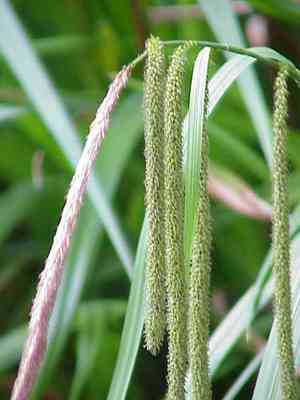
Carex pendula, recognized for its cascading, vibrant green clusters, is frequently multiplied through the process of division. This technique entails splitting established clumps to encourage revitalization and regulate their expansion. To achieve favorable results, it is crucial to perform division when the plant is actively growing, making sure every segment possesses sufficient root mass. Gently re-establish the separated portions in soil that retains moisture well, placing them at depths comparable to their original growing environment, which aids in successful acclimation.
Optimal Time for Drooping Sedge Propagation
Propagation Type
Division
Propagation Season
Spring,Autumn
Tools for Drooping Sedge Propagation
Sharp Knife or Garden Shears
A keen knife or garden shears are vital for making clean cuts through the root system of drooping sedge during division. Precise cuts minimize root damage, reducing infection risk and plant stress. This ensures each drooping sedge section has healthy roots and shoots, crucial for successful re-establishment.
Spade or Garden Fork
Utilized for excavating drooping sedge prior to division. A spade or fork is essential for gently lifting the plant from the ground with minimal root system disruption. This tool aids in preserving root integrity, which is key for the survival and growth of divided sections.
Watering Can or Hose with a Gentle Spray Setting
Immediately following the planting of divisions, thorough watering is critical. A watering can or a hose with a soft spray setting delivers even, gentle water flow, ensuring soil settles around roots without washing it away or exposing them, which could stress the plant.
Rooting Hormone (optional)
While not mandatory, applying a rooting hormone can stimulate faster root development in drooping sedge divisions. This enhances the likelihood of successful propagation by improving the plant's ability to establish itself in a new location.
Planting Pots and Potting Soil (if propagating in containers)
If drooping sedge divisions are to be initially grown in containers, appropriate planting pots and potting soil are required. Pots should have good drainage, and the soil should be well-draining yet retain moisture, mimicking drooping sedge's natural growing conditions to foster healthy root and foliage growth.
How to Propagate Drooping Sedge?
Propagation Type
Easy
Caring for Newly Propagated Drooping Sedge
Caring for Newly Propagated Drooping Sedge
Post-propagation, maintain consistently moist soil as drooping sedge thrives in damp conditions. Prevent the soil from drying out completely. Apply a thin layer of mulch around the plant bases to help retain soil moisture and suppress weeds. Monitor for pests or diseases and treat as needed. As drooping sedge can grow vigorously, manage its spread by periodically dividing it every few years to maintain plant health and prevent overcrowding.
Common Mistakes to Avoid When Propagating Drooping Sedge
Overwatering
Excessive moisture can lead to root rot and fungal diseases in drooping sedge, as their natural environment does not support standing water.
Deep planting
Planting drooping sedge divisions or seeds too deeply can hinder their ability to sprout, as they require light for optimal germination and growth.
Ignoring soil composition
Using an unsuitable soil mix that lacks proper drainage can harm the root system of drooping sedge, impeding healthy growth.
Excessive crowding
Planting drooping sedge too closely can restrict air circulation and light penetration, increasing susceptibility to pests and diseases.
Tips For Propagating Drooping Sedge
Use fresh seeds
Fresh drooping sedge seeds exhibit a higher germination rate. Collecting and sowing seeds promptly after ripening can boost propagation success.
Lightly cover seeds
When sowing drooping sedge seeds, cover them sparsely with soil or leave them uncovered to ensure they receive adequate light, which is vital for their germination.
Maintain moderate moisture
Keeping the soil moist but not waterlogged is crucial for healthy root development of drooping sedge during propagation.
Well-draining soil
Utilizing a well-draining soil mix helps prevent water accumulation around drooping sedge's roots, accommodating its preference for moist but not soggy conditions.



