How to Propagate Thin-fruit sedge?
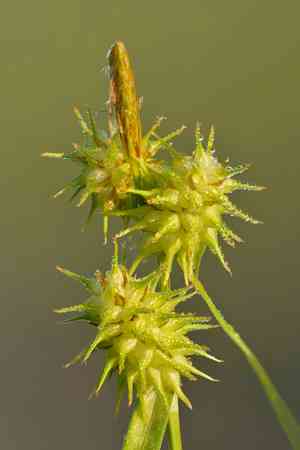
Thin-fruit sedge can be successfully multiplied by separating its root structure. For effective propagation, meticulously split the root masses into smaller portions with sharp, sanitized instruments. Immediately re-establish these separated parts in fertile, well-aerated soil, ensuring steady hydration without oversaturation. Sufficient distance between the new specimens will foster more robust development and improved air movement, both vital for thin-fruit sedge's progress.
Optimal Period for Thin-fruit Sedge Propagation
Propagation Method
Division
Propagation Season
Spring,Autumn
Tools Utilized in Thin-fruit Sedge Propagation
Sharp Spade or Knife
This instrument is vital for separating thin-fruit sedge clumps. A keen edge ensures precise cuts, minimizing harm to the plant's root structure. It's crucial for preserving the health of thin-fruit sedge during separation, encouraging rapid recovery and lowering disease risk.
Hand Trowel
Used for gently lifting and detaching smaller thin-fruit sedge sections from the main plant. The hand trowel is especially useful for handling the delicate roots of thin-fruit sedge, ensuring each division has ample roots for successful re-establishment.
Gardening Gloves
These safeguard hands from potential soil irritants and prevent injury when handling sharp tools and the edges of thin-fruit sedge. Gloves also aid in maintaining a hygienic propagation process, reducing pathogen transmission.
Watering Can with a Fine Rose
After propagating thin-fruit sedge, gentle irrigation is essential. A watering can with a fine rose attachment provides a soft, dispersed water flow, necessary to adequately moisten new plantings without disturbing the soil or exposing roots.
Rooting Hormone (Optional)
While not mandatory, applying a rooting hormone can boost propagation success rates by promoting faster root development in thin-fruit sedge. This can be advantageous for sections with less established root systems or those appearing less vigorous.
Labeling Materials
Labels and a waterproof marker are advised for tracking the propagation date and any specific care notes for each new thin-fruit sedge plant. Accurate labeling is critical for monitoring the growth and health of each division, particularly when managing multiple specimens.
How to Propagate Thin-fruit Sedge?
Propagation Type
Easy
Caring for Your Newly Propagated Thin-fruit Sedge
Caring for Your Newly Propagated Thin-fruit Sedge?
Post-propagation, maintain consistent soil moisture for thin-fruit sedge as they prefer continuously damp conditions. Provide some shade to shield young plants from direct sunlight and reduce stress. Monitor for pest or disease indicators and act promptly to resolve any issues. As plants mature, they may be divided again to manage spread and encourage robust growth.
Common Errors to Avoid When Propagating Thin-fruit Sedge
Overwatering
Excessive watering of thin-fruit sedge can lead to root rot and fungal problems. As a plant that favors well-drained conditions, too much soil moisture disrupts the healthy development of its root systems, potentially causing disease and poor growth.
Excessive soil compaction
Compacting the soil around thin-fruit sedge too firmly can impede root expansion and limit the plant's ability to absorb water and nutrients. This results in stunted growth and could weaken the plant's overall health.
Ignoring light requirements
Planting thin-fruit sedge in overly shaded areas can significantly diminish its vitality. Thin-fruit sedge thrives in partial shade but still needs some light to maintain healthy growth and proper photosynthesis, which is vital for survival and spread.
Tips For Propagating Thin-fruit Sedge
Soil preparation
Thin-fruit sedge benefits from well-drained, loamy soil. Amending the soil with organic matter or sand can enhance drainage and support healthier growth. Ensuring the soil is loose and not overly compact will facilitate better root development.
Division method
Propagating thin-fruit sedge via division is effective. Carefully separating root clumps during early growth stages helps preserve the plant's structure and increases success rates. Ensure each section has roots and shoots for optimal growth.
Moisture management
Maintaining balanced soil moisture is crucial for thin-fruit sedge propagation. The soil should be moist but not waterlogged. Using mulch can help retain the necessary moisture level without over-saturating the root zone and promotes a favorable microenvironment for growth.



