How to Propagate Dewey's sedge?
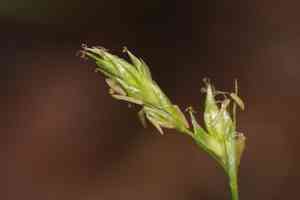
Carex deweyana flourishes when multiplied through separation, a technique highly effective for this enduring plant. Gently divide the root mass in early spring or late autumn, periods when the plant is dormant. Verify that every segment possesses robust roots and emerging foliage. Immediately replant the separated portions, ensuring sufficient hydration and nutrient-rich soil to foster rapid integration. This strategy supports robust proliferation, assisting gardeners in controlling development and preserving vitality within their landscapes.
What Is the Best Time To Propagate Dewey's Sedge?
Propagation Type
Splitting
Propagation Season
Spring,Fall
What Tools Are Used in Dewey's Sedge Propagation?
Garden spade or digging fork
This implement is vital for the initial phase of propagating dewey's sedge through division. It's used to carefully excavate around and lift the plant from its bed, minimizing harm to the root structure. A garden spade with a sharp, flat edge or a robust digging fork can effectively penetrate the soil and aid in cleanly separating clumps without excessive root trauma.
Sharp knife or hori-hori tool
A keen knife or a hori-hori tool is essential for dividing the root ball of dewey's sedge. These instruments offer precision and control, enabling clean cuts through the root mass. This is critical as clean cuts help prevent infection and encourage faster recovery and root development. The hori-hori tool is especially useful due to its serrated edge, which can manage tough, tangled roots.
Gardening gloves
Gloves safeguard hands during the division process, ensuring safety when handling sharp implements like knives and when dealing with the potentially sharp edges and rough textures of dewey's sedge's foliage and roots. They also assist in maintaining hygiene, preventing the spread of soil-borne pathogens during the handling of plant parts.
Watering can with a gentle nozzle
Immediately after planting the divided sections of dewey's sedge, careful watering is paramount. A watering can with a soft-flow nozzle ensures that water is distributed uniformly and gently, preventing any displacement of the newly planted divisions or damage to delicate roots. This aids in establishing the plant in its new location, promoting better root-to-soil contact.
Rooting hormone (optional)
While not mandatory, applying a rooting hormone to the cut surfaces of dewey's sedge's roots can boost root growth and improve the overall success rate of propagation. Rooting hormones help stimulate root development, particularly in divisions that may possess smaller root masses or appear less vigorous.
How to Propagate Dewey's Sedge?
Propagation Type
Simple
How to Care for Your Newly Propagated Dewey's Sedge?
How to Care for Your Newly Propagated Dewey's Sedge?
For post-propagation care, ensure dewey's sedge is kept in damp conditions without becoming waterlogged. Applying mulch around the base can help retain soil moisture and deter weeds. Although dewey's sedge tolerates varying moisture levels, avoid excessively dry conditions. Monitor for signs of growth or stress and adjust care as needed, adding more organic material to the soil if growth appears stunted. Consistent watering during prolonged dry spells will help maintain the health and vitality of dewey's sedge.
Common Mistakes to Avoid When Propagating Dewey's Sedge
Overwatering
Supplying too much water can lead to saturated conditions which are harmful for dewey's sedge. These conditions may cause root rot, resulting in poor root health and reduced propagation success.
Inadequate soil mix
Using a soil blend that drains poorly or lacks essential nutrients can impede dewey's sedge's growth. Suboptimal soil conditions can stress the plant, hindering its development and reproductive capabilities.
Ignoring plant division size
Dividing dewey's sedge into very small sections, or divisions that lack sufficient roots, can decrease the survival rate of propagated plants. Small divisions might not possess enough resources to establish themselves successfully.
Tips For Propagating Dewey's Sedge
Proper soil preparation
Prepare a soil mixture with excellent drainage and ample organic matter. This encourages robust root growth and supports overall plant vigor, crucial for successful propagation of dewey's sedge.
Appropriate water management
Maintain consistent moisture levels without over-saturating. Dewey's sedge thrives in well-drained conditions with soil that remains evenly moist, which is vital during the rooting phase.
Division during replanting
When dividing dewey's sedge, ensure each division has a significant portion of the root system attached. Divisions should be substantial enough to sustain the plant while it reestablishes itself.



