How to Propagate Dense sedge?
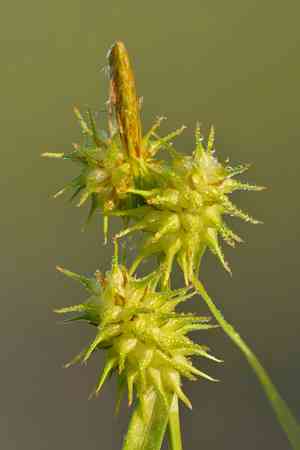
Thick sedge is a perennial grass-like plant thriving in damp fields and wetlands. The most effective propagation method involves dividing the plant. Employ sharp implements to split clusters, making sure each segment possesses roots and new growth. Place the divided portions into thoroughly saturated earth. Position them in areas with partial sunlight for best development. Consistent irrigation is vital until they are well-rooted.
Optimal Period for Dense Sedge Propagation
Propagation Method
Division
Propagation Period
Spring,Autumn
Tools Required for Dense Sedge Propagation
Sharp Spade
An acute spade is crucial for separating dense sedge. It aids in cleanly severing the thick root mass without causing undue stress or harm to the plant sections, ensuring each divided part retains sufficient root structure for successful re-establishment.
Garden Fork
A garden fork is beneficial for loosening the earth around dense sedge and gently lifting the plant clump from the ground. This minimizes root damage and facilitates easier extraction of the plant for division.
Knife or Pruning Saw
A robust knife or pruning saw is necessary for more intricate division tasks, especially when dealing with thick, fibrous roots. It ensures precise cuts, helping to maintain healthy roots and shoots in each divided section.
Root Washing Hose
A hose to rinse soil from the roots prior to division clearly identifies root structures and allows for more accurate and healthy divisions of dense sedge. Clean roots are less susceptible to diseases post-division.
Sterilizing Solution
A sterilizing solution is vital for cleaning tools between cuts. This prevents the spread of pathogens and disease, ensuring each section of dense sedge remains healthy post-division.
Planting Containers/Pots
Containers or pots to temporarily house divided sections before re-planting assist in monitoring the initial growth stages. They provide controlled environments for each plant part to recover and establish roots.
Mulch
Applying mulch around the divided and replanted sections of dense sedge helps maintain soil moisture and temperature, promoting healthy root development and reducing transplant shock.
Watering Can or Hose with Gentle Spray
A watering can or hose with a gentle spray nozzle is essential for hydrating newly divided sections. Consistent and controlled watering ensures the plants remain hydrated without root disturbance.
Shade Cloth
A shade cloth offers necessary protection for newly divided dense sedge from intense sunlight. It helps prevent stress and allows the plants to slowly acclimate to their new environment.
How to Propagate Dense Sedge?
Propagation Type
Easy
How to Nurture Your Newly Propagated Dense Sedge?
How to Nurture Your Newly Propagated Dense Sedge?
Post-propagation care for dense sedge involves consistent irrigation to keep the soil uniformly moist but not saturated. Apply a layer of mulch around the plant bases to retain soil moisture and inhibit weed growth. Monitor for pests and diseases, addressing any issues promptly to prevent spread. Trim away any dead or damaged foliage to encourage vigorous new growth. Fertilize with a balanced, slow-release fertilizer during the growing season to support robust development. Ensure the plants receive adequate sunlight, preferably partial to full sun, depending on the local growing conditions.
Common Errors to Avoid When Propagating Dense Sedge
Overwatering
Leads to root rot and fungal diseases. Dense sedge prefers well-drained soil.
Incorrect Soil Mix
Using a soil mix that's too dense can cause poor drainage and root problems. Dense sedge thrives in sandy or loamy soils.
Neglecting Light Requirements
Insufficient light can result in weak, leggy growth. Dense sedge requires adequate light for healthy development.
Ignoring Space Needs
Planting too closely can lead to competition for nutrients and water, hindering growth and propagation.
Advice For Propagating Dense Sedge
Utilize Well-Draining Soil
Ensure the soil mix is sandy or loamy to provide good drainage.
Moderate Watering
Water moderately to keep soil moist but not waterlogged. Adjust frequency based on rainfall and humidity.
Provide Adequate Light
Place dense sedge in a location with sufficient sunlight to promote robust growth.
Space Appropriately
Plant dense sedge with enough space between individuals to avoid competition and ensure healthy development.



