How to Propagate Siberian peashrub?
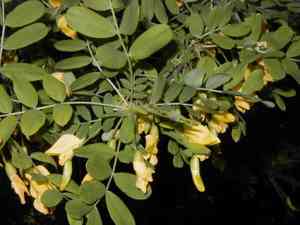
The Siberian peashrub, a resilient species, is most effectively multiplied in the Fall and Winter seasons utilizing favored techniques such as cuttings and layering. While propagation can present a moderate challenge, the emergence of new foliage generally indicates successful establishment. Optimal outcomes are achieved by maintaining appropriate hydration levels.
Optimal Period for Siberian Peashrub Propagation
Propagation Method
Cutting
Propagation Period
Autumn,Winter
Tools Utilized in Siberian Peashrub Propagation
Sharp Pruning Shears
Crucial for obtaining clean, precise cuttings from mature siberian peashrub specimens, minimizing harm to the parent plant and creating an ideal cutting for propagation. The keen edges are particularly vital to prevent crushing plant tissues, which can lead to disease and poor rooting.
Rooting Hormone
Enhances the success rate of siberian peashrub cuttings by stimulating root development. It ensures that cuttings form robust and healthy roots more quickly, which is essential for the survival and establishment of newly propagated plants.
Sterile Potting Mix
Offers a pathogen-free environment for new siberian peashrub cuttings to establish roots. A well-draining and sterile medium is important to prevent decay and other soil-borne illnesses, while still retaining sufficient moisture for root growth.
Propagation Trays or Pots
Holds the sterile potting mix and provides a stable environment for siberian peashrub cuttings to develop roots. Trays and pots should feature adequate drainage to reduce excess moisture and prevent rot.
Plastic Covers or Domes
Establishes a high-humidity environment around siberian peashrub cuttings, which helps prevent water loss through transpiration and is crucial for cuttings that lack roots to absorb water.
Heating Mat (Optional)
Supplies bottom heat to the rooting zone, which can promote faster root development for siberian peashrub cuttings. This can be especially advantageous in cooler climates or seasons.
Post-Propagation Care for Your Siberian Peashrub
Post-Propagation Care for Your Siberian Peashrub
Check the moisture level of the potting mix and water siberian peashrub when the top inch feels dry. After rooting, typically several weeks, gradually acclimate the young plants by exposing them to more direct air over a few days. Transplant them to their permanent location, ensuring they are in well-drained soil and receive full sun to partial shade. Protect young siberian peashrub plants from extreme temperatures and water them regularly until they are well-established.
Common Errors to Avoid When Propagating Siberian Peashrub
Excessive watering of cuttings
Maintaining overly moist soil can lead to rot, particularly during the delicate initial stages of siberian peashrub's cutting propagation.
Planting seeds too deep
Sowing seeds too deeply might hinder germination, as siberian peashrub seeds require a specific depth for adequate light and warmth.
Neglecting to prune
Failure to prune siberian peashrub after propagation can result in an uncontrolled growth pattern, negatively impacting the plant's overall health and appearance.
Ignoring soil quality
Using substandard soil can jeopardize siberian peashrub's growth. Soil lacking nutrients or draining poorly can impede root development.
Overlooking pest control
Ignoring potential pests and diseases can allow infestations to worsen, severely affecting the health of siberian peashrub.
Advice for Propagating Siberian Peashrub
Humidity regulation for cuttings
Maintaining a balanced humidity level is vital for siberian peashrub cuttings to root successfully without succumbing to mold or rot.
Appropriate seed depth
Sowing siberian peashrub seeds at the correct depth improves germination rates and contributes to healthy seedling development.
Regular pruning after propagation
Consistent pruning helps guide siberian peashrub's growth and encourages a more desirable shape and stronger plant structure.
Soil preparation
Preparing a nutrient-rich, well-draining soil mix supports robust root growth and overall health for siberian peashrub.
Pest and disease monitoring
Regularly checking for pests and diseases allows for early intervention, which is key to maintaining the vitality of siberian peashrub.



