How to Propagate Tree pepper?
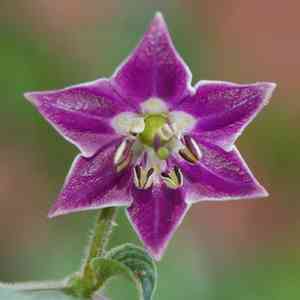
The tree pepper is recognized for its hardiness and distinct attributes that set it apart from other members of its genus, notably its exceptional vigor and arboreal growth pattern. For effective propagation, cuttings must possess numerous growth points and originate from a robust section of the donor plant. It is crucial to place the cuttings in a potting medium that drains efficiently, providing both hydration and air circulation to foster root formation. Regular observation of moisture levels will assist in the cutting's successful establishment. A rooting stimulant can be applied to the cutting's base to accelerate root development.
Optimal Time for Tree Pepper Propagation
Propagation Type
Cutting
Propagation Season
Spring,Summer
Tools for Tree Pepper Propagation
Sharp Pruning Shears
These are vital for making clean cuts from the tree pepper, minimizing harm to the parent plant and ensuring healthy cuttings. Sharp blades prevent crushing plant tissues, which can cause infection and poor rooting in tree pepper.
Rooting Hormone
This promotes quick and robust root growth in tree pepper cuttings. Applying rooting hormone to the cut end boosts root development, crucial for successful establishment after transplanting.
Sterile Potting Mix
Using a sterile, well-draining potting mix is essential for tree pepper to reduce the risk of soil-borne diseases affecting new cuttings. A mix with good aeration and moisture retention supports strong root systems in tree pepper.
Propagation Tray
Necessary for organizing and managing multiple tree pepper cuttings in a controlled setting. These trays help maintain proper moisture and temperature, key factors for the rooting process in tree pepper.
Heating Mat
Ensures consistent soil temperature, important for tree pepper propagation, leading to a higher rooting success rate. Bottom warmth stimulates root growth in cuttings, especially in cooler conditions.
Tree Pepper Propagation Method
Propagation Type
Easy
Post-Propagation Care for Tree Pepper
How to Care for Your Newly Propagated Tree Pepper?
Once tree pepper cuttings have rooted, typically in 3-4 weeks, gradually introduce them to natural conditions by removing covers and reducing watering. Transplant rooted cuttings into larger pots or garden beds with fertile, well-draining soil. Provide partial to full sun, regular watering, and occasional balanced fertilizer to support growth and fruit. Monitor for pests and diseases, treating as needed.
Common Propagation Errors for Tree Pepper
Inadequate Soil Preparation
Not using the correct soil mix can hinder root development and stunt tree pepper growth. As tree pepper prefers well-draining soil, its absence can lead to waterlogging and root rot.
Improper Cutting Selection
Choosing the wrong plant part or unhealthy cuttings can result in propagation failure. For tree pepper, cuttings that are too young or too old may not root effectively.
Neglecting Humidity Requirements
Ignoring the need for a humid environment when propagating tree pepper cuttings can lead to desiccation and reduced rooting potential.
Overwatering
Watering tree pepper too frequently during propagation can cause root rot, fungal issues, and reduced oxygen for the roots.
Neglecting Sanitation
Failing to use sterile tools and pots can introduce pathogens to tree pepper, jeopardizing plant health and propagation efforts.
Tree Pepper Propagation Tips
Soil Composition
Utilize a well-draining soil mix with organic matter to provide tree pepper with an ideal environment for root development.
Cutting Selection
Choose healthy, mature stems from the tree pepper for cuttings to ensure a higher success rate in propagation.
Humidity Control
Maintain a consistently humid environment for tree pepper cuttings without allowing water to accumulate on leaves to prevent disease.
Watering Balance
Water tree pepper deeply but infrequently, allowing the soil to dry slightly between waterings, to promote strong root formation.
Tool Sanitization
Clean and sterilize all tools and containers before use to prevent disease transmission in tree pepper during propagation.



