How to Propagate Capsicum annuum var. conoides?
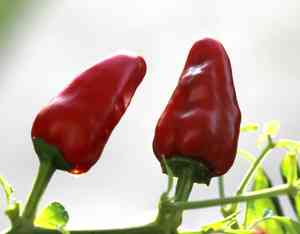
Capsicum annuum var. conoides is generally multiplied by planting seeds. To achieve successful multiplication, start with superior, pathogen-free seeds, making sure they are planted in a rich, well-draining growing medium. Offer a warm and moist setting to encourage sprouting, and sustain steady hydration levels without saturating the soil. After seedlings produce their first true leaves, they can be moved to separate containers or directly to their permanent cultivation spot, being careful not to disrupt the root structure. Consistent observation for pests and illnesses during the initial developmental phases will aid in cultivating strong plants.
Optimal Time for Capsicum Annuum Var. Conoides Propagation
Propagation Method
Seeding
Propagation Period
Spring
Tools for Capsicum Annuum Var. Conoides Propagation
Seed trays
Seed trays are vital for initiating capsicum annuum var. conoides from seeds. They offer a controlled setting essential for the germination and initial growth phases of capsicum annuum var. conoides. The partitions in the trays help keep individual seeds in separate cells, preventing crowding and lowering the risk of disease spreading among young plants.
Peat pots
Peat pots are especially beneficial for capsicum annuum var. conoides due to their biodegradable nature. When capsicum annuum var. conoides seedlings are ready for transplanting, the entire pot can be placed directly into the soil. This minimizes root disturbance, which is critical for the delicate roots of capsicum annuum var. conoides, improving the likelihood of successful transplantation.
Heating mats
Heating mats are utilized to regulate soil temperature, which aids the germination rate of capsicum annuum var. conoides seeds. Consistent warmth from these mats is crucial, particularly in cooler climates, to ensure a stable and suitable germination environment for capsicum annuum var. conoides.
Grow lights
Grow lights support the healthy development of capsicum annuum var. conoides seedlings by providing sufficient illumination indoors or during periods of inadequate natural sunlight. This is particularly useful during the early stages of capsicum annuum var. conoides growth to prevent etiolation (stretching due to insufficient light), fostering stronger and healthier plant development.
Misting bottle
A misting bottle is essential for gently watering capsicum annuum var. conoides seedlings. The fine spray allows for adequate moisture without dislodging or harming the small seeds and delicate young plants. Regular misting helps maintain optimal humidity levels, promoting effective germination and growth of capsicum annuum var. conoides.
How to Propagate Capsicum Annuum Var. Conoides?
Propagation Type
Simple
Caring for Newly Propagated Capsicum Annuum Var. Conoides
Caring for Newly Propagated Capsicum Annuum Var. Conoides
Following propagation, capsicum annuum var. conoides seedlings should be gradually acclimated to outdoor conditions if they are to be moved outside. This process, known as hardening off, involves slowly exposing the plants to outdoor temperatures and sunlight over 7-10 days to reduce transplant shock. Afterward, plant them in nutrient-rich, well-draining soil in a location receiving full sunlight. Regular watering, mulching, and periodic feeding with a vegetable fertilizer will help maintain healthy growth and productivity. Monitor for pests and diseases and treat as needed to ensure the well-being of capsicum annuum var. conoides.
Common Propagation Errors for Capsicum Annuum Var. Conoides
Overwatering
Providing capsicum annuum var. conoides with too much water can lead to root rot and fungal diseases. This hinders root development and can kill young plants.
Deep planting
Planting capsicum annuum var. conoides seeds or cuttings too deeply can impede their ability to sprout or root, as they may not receive adequate light and air.
Neglecting humidity
Failing to maintain a humid environment for capsicum annuum var. conoides cuttings can cause them to dry out before rooting, reducing the chances of successful propagation.
Tips for Propagating Capsicum Annuum Var. Conoides
Proper soil preparation
Using a light, well-draining soil mix helps capsicum annuum var. conoides seeds and cuttings develop roots efficiently without the risk of waterlogging.
Use of rooting hormone
Applying a rooting hormone to capsicum annuum var. conoides cuttings can significantly enhance root development and increase the success rate of propagation.
Maintaining appropriate moisture
Keeping the soil consistently moist (but not saturated) ensures that capsicum annuum var. conoides seeds and cuttings have the necessary water supply without risking overwatering.



