How to Propagate Chinese white olive?
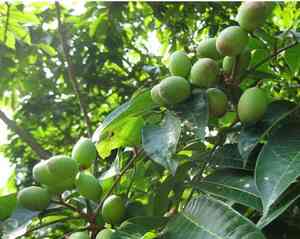
The Chinese white olive, prized for its produce, is generally multiplied via grafting, a method that guarantees genetic uniformity and accelerates fruit bearing. Successful propagation necessitates choosing robust rootstock and sound scion material. Precise application of joining techniques and supplying ideal recovery environments will foster effective fusion and development.
Optimal Period for Chinese White Olive Propagation
Propagation Method
Grafting
Propagation Season
Spring,Winter
Essential Tools for Chinese White Olive Propagation
Grafting Knife
A sharp, clean grafting knife is essential for making precise incisions on chinese olive's stem or branch, which is vital for successful grafting. This accuracy helps ensure a smooth graft union and increases the likelihood of proper cambium alignment, crucial for the integration of the grafted parts.
Pruning Shears
These are utilized to trim chinese olive before and after grafting. Pruning shears aid in removing unwanted branches, thereby directing the plant's energy towards the successful establishment of the graft. Clean cuts also reduce the risk of disease entry during the healing process.
Grafting Tape
This material is used to securely bind the grafted components together. By ensuring a tight seal, grafting tape prevents air and pathogens from entering the graft junction, thus promoting quicker healing and successful establishment of the graft on chinese olive.
Rooting Hormone
Although not directly involved in the grafting process, rooting hormone can be beneficial if propagating chinese olive from cuttings is being considered. It encourages faster root development, which is crucial for the establishment and viability of new plants.
Disinfectant Solution
Used for sanitizing grafting tools before and after performing grafts on chinese olive. This practice prevents the spread of diseases between different plants or grafting sites, which is critical for maintaining the overall health of chinese olive during the propagation process.
How to Propagate Chinese White Olive?
Propagation Difficulty
Moderately Challenging
Post-Propagation Care for Chinese White Olive
How to Care for Your Newly Propagated Chinese White Olive?
Following successful grafting, position the grafted chinese olive in a partially shaded location to prevent direct sun exposure, which can stress the plant. Water the plant regularly to maintain moist but not waterlogged soil. Monitor the graft site for any indications of disease or failure. Gradual acclimation to increased sunlight can begin once the graft has fully taken, typically evidenced by new growth from the scion.
Common Errors to Avoid When Propagating Chinese White Olive
Overwatering
Excessive watering can lead to root rot, which is detrimental to chinese olive's health and can severely impair the plant's ability to establish itself after propagation.
Using non-sterile tools
Cutting chinese olive for propagation with unsterilized tools can introduce pathogens, which may cause diseases and affect the viability of the new plants.
Incorrect cutting size
Chinese olive cuttings that are either too short or too long may not root effectively, potentially leading to propagation failure.
Neglecting humidity levels
Keeping chinese olive cuttings in an environment with low humidity can result in desiccation, as chinese olive cuttings typically require a consistently humid environment to develop roots.
Ignoring light requirements
Providing either too much or too little light during the rooting phase can hinder chinese olive cuttings from establishing well, as appropriate light intensity is crucial for photosynthesis and growth.
Tips For Propagating Chinese White Olive
Adequate watering
Water chinese olive cuttings just enough to keep the soil moist, as proper moisture levels are key for root development without risking root rot.
Sterile equipment
Use sterilized tools when taking cuttings from chinese olive to minimize the risk of transmitting diseases that can compromise propagation success.
Optimal cutting size
Prepare chinese olive cuttings that are of an appropriate length, usually 4-6 inches, to ensure enough leaf nodes are present for root development.
Maintaining humidity
Use a humidity dome or plastic bag to keep the air around chinese olive cuttings moist, which will support the rooting process.
Balanced lighting
Provide chinese olive cuttings with bright, indirect light to encourage growth without scorching the tender tissues or depriving them of necessary energy.



