How to Propagate Trumpet creeper?
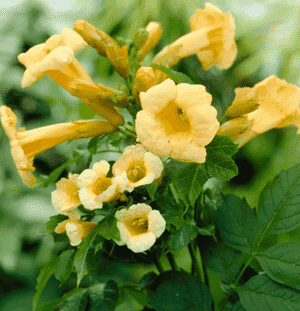
Campsis radicans can be reproduced via tender stem sections and ground layering, with the most suitable period being the warmer months of spring and summer. This propagation method presents a moderate challenge, and indicators of successful establishment are the emergence of roots and fresh foliage. Ensuring the cuttings remain hydrated and benefit from adequate water runoff is crucial.
Optimal Period for Trumpet Creeper Propagation
Propagation Method
Cutting
Propagation Period
Spring,Summer
Tools Required for Trumpet Creeper Propagation
Sharp pruning shears
These are vital for making precise cuts on trumpet creeper stems, helping to prevent damage and disease. The accuracy of sharp shears ensures a better chance of rooting, as a jagged cut can hinder the healing process and the development of new roots.
Rooting hormone
This assists in stimulating root development for trumpet creeper cuttings. The hormone promotes faster root formation, which can be essential for the successful establishment of this vigorous climbing plant.
Sterilizing agent (e.g., isopropyl alcohol)
Before cutting, tools must be disinfected to minimize the risk of transmitting pathogens to trumpet creeper. Clean cuts reduce the potential for infections that can harm or kill cuttings.
Potting mix
A well-draining, sterile potting medium is necessary to provide the ideal environment for trumpet creeper cuttings to root. It offers the proper balance of aeration and moisture retention required for root development.
Propagation trays or pots
These containers hold the potting medium and maintain the humidity around trumpet creeper cuttings. They should have adequate drainage to prevent waterlogging, which could cause rot.
Plastic bags or a propagation dome
Creating a humid microclimate around trumpet creeper cuttings is crucial for keeping them hydrated while they develop roots. This simulates greenhouse conditions, favoring root formation.
Heating mat (optional)
A heating mat can regulate the temperature of the rooting medium, providing consistent warmth that can boost the rooting success rate for trumpet creeper cuttings, particularly in cooler conditions.
Post-Propagation Care for Your Trumpet Creeper
Post-Propagation Care for Your Trumpet Creeper
Once roots are established, gradually acclimate the new trumpet creeper to less humid conditions by removing the plastic cover for increasing intervals daily. After the trumpet creeper is acclimated, transplant it to a larger pot or directly to an outdoor location with full sun to partial shade, ensuring it has ample space to grow, as trumpet creeper can become quite large. Provide regular water to establish trumpet creeper, and apply a balanced, slow-release fertilizer in the spring. Monitor for pests and diseases and prune as necessary to maintain desired shape and size.
Common Errors to Avoid When Propagating Trumpet Creeper
Insufficient light
Failing to provide trumpet creeper cuttings with adequate light can hinder their growth. They require bright but indirect sunlight to establish roots effectively.
Overwatering
Excessive watering of trumpet creeper cuttings can lead to root rot, a condition detrimental to root development and overall plant health. It's crucial to maintain moist but not soggy soil.
Using old wood
Using old, hardened cuttings for propagation might result in poor rooting. Trumpet creeper roots more successfully from softwood or semi-hardwood cuttings taken from new growth.
Neglecting humidity
Ignoring humidity levels when propagating trumpet creeper is a common oversight. A humid environment aids in preventing the cuttings from drying out before they root.
Ignoring disease control
Not being vigilant about disease control can lead to fungal infections in trumpet creeper. Disinfect all tools and use only healthy, disease-free plant parts for propagation.
Advice for Propagating Trumpet Creeper
Appropriate cutting selection
Choose healthy, disease-free softwood or semi-hardwood cuttings from trumpet creeper as they root more readily than mature wood.
Maintain moisture balance
Keep the soil consistently moist for trumpet creeper cuttings but avoid waterlogging to prevent root rot. A balance is key for root formation.
Rooting hormone use
Application of rooting hormone to the fresh cuttings of trumpet creeper can stimulate root growth and enhance the chances of successful propagation.
Protection from elements
Shielding trumpet creeper cuttings from harsh elements like direct sunlight and strong winds can prevent them from getting damaged and reduce water loss.
Ensure good drainage
Providing trumpet creeper cuttings with well-draining soil is crucial to avoid water accumulation around the roots, which can cause rot and impede growth.



