How to Propagate Bluebell bellflower?
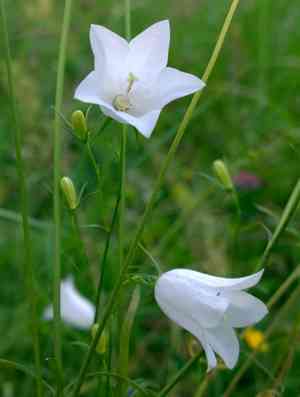
Bluebell bellflower easily reproduces by planting seeds in the springtime. This particular plant presents a moderate challenge for propagation. Indicators of successful propagation include robust root formation and strong, healthy development. Throughout this procedure, guarantee that the soil drains effectively and that there is sufficient hydration.
Optimal Time for Bluebell Bellflower Propagation
Propagation Method
Seeding
Propagation Period
Spring
Tools for Bluebell Bellflower Propagation
Seed trays or flats
These offer a contained space for the seeding process. Seed trays assist in maintaining consistent moisture and temperature, crucial for successful germination of bluebell bellflower seeds.
Sterile potting mix
A sterile potting medium is vital to prevent fungal and bacterial issues that could harm young bluebell bellflower seedlings. The mix should drain well and be rich in nutrients to support development.
Fine vermiculite or perlite
These materials serve as a top layer for sown seeds, helping to retain moisture and provide aeration around bluebell bellflower seeds, promoting more uniform germination.
Misting bottle
A gentle misting bottle allows for careful watering of seeds without disturbing their position. Regular misting ensures bluebell bellflower seeds do not dry out during the critical germination phase.
Heat mat (optional)
Some propagators might find a heat mat useful for providing steady warmth beneath seed trays, which can benefit bluebell bellflower germination. This is especially helpful in cooler climates.
Grow lights or shaded nursery area
Once bluebell bellflower seeds have sprouted, they need adequate light without direct sun, which could scorch the young plants. Grow lights or a naturally shaded spot provide the necessary conditions.
Labeling materials
Using labels helps track the propagation progress of bluebell bellflower and ensures correct identification of the species as they grow. Proper labeling is essential for organized cultivation and future upkeep.
How to Propagate Bluebell Bellflower
Propagation Method
Seeding
Difficulty Level
Easy
Caring for Newly Propagated Bluebell Bellflower
Caring for Newly Propagated Bluebell Bellflower
Bluebell bellflower thrives in sunny to partially shaded locations with well-draining soil. After transplanting, water plants regularly to aid establishment. Mulching can help retain moisture and control weeds. As bluebell bellflower is a robust perennial, it will require minimal care once settled, but you can remove spent flowers to encourage more blooms. Divide clumps every few years in spring to maintain vigor and prevent overcrowding.
Common Errors to Avoid When Propagating Bluebell Bellflower
Overwatering
Providing bluebell bellflower with too much water can lead to root rot and fungal diseases, as it prefers well-drained soil. Excessive moisture around the roots is particularly detrimental.
Too much fertilizer
Applying excessive fertilizer can burn the delicate roots of bluebell bellflower and disrupt its natural growth, as it does not require high nutrient levels.
Ignoring soil ph
Bluebell bellflower prefers slightly acidic to neutral pH; failing to maintain the correct soil pH can hinder nutrient absorption and plant health.
Planting depth
Sowing bluebell bellflower seeds too deeply can prevent germination, as they need light to sprout and should be sown on the soil surface.
Tips for Propagating Bluebell Bellflower
Soil preparation
Ensure the soil drains well and has a slightly acidic to neutral pH level for optimal growth and health of bluebell bellflower.
Light exposure
Bluebell bellflower seeds require sufficient light to germinate; therefore, surface sowing or lightly covering them with soil is beneficial.
Watering
Water bluebell bellflower carefully, allowing the soil to dry slightly between waterings to prevent root rot and to mimic its natural habitat preferences.
Gentle fertilization
If fertilizing bluebell bellflower, use a balanced, mild formula, applied sparingly to support growth without overwhelming the plant.



