How to Propagate Japanese camellia?
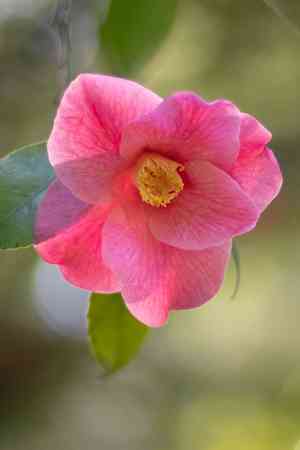
Japanese camellia is most effectively multiplied using semi-lignified cuttings throughout the warmer periods of spring and summer. This procedure presents a moderate challenge, with successful rooting evidenced by the emergence of fresh foliage. Maintain suitable moisture levels to achieve the best outcomes.
What Is the Best Time To Propagate Japanese Camellia?
Propagation Type
Cutting
Propagation Season
Spring, Summer
What Tools Are Used in Japanese Camellia Propagation?
Sharp pruning shears
These shears are used for taking cuttings from the japanese camellia, providing clean cuts that prevent damage to the parent plant and ensure a healthy start for the new cutting. A smooth cut helps reduce infection risk and increases successful rooting. Shears must be sharp and clean to minimize stress on the japanese camellia.
Rooting hormone
This substance is applied to the cut end of the japanese camellia cutting to stimulate root development. Using rooting hormone increases the likelihood of successful root growth, leading to a stronger, more vigorous offspring. For japanese camellia, which can be slow to root, this tool is especially beneficial.
Sterile potting mix
A clean, well-draining medium is crucial for rooting japanese camellia cuttings. Sterile potting mix ensures no pathogens are present that could harm the young cutting. A proper mix also provides necessary support and moisture retention while allowing adequate drainage, vital for japanese camellia's delicate new roots.
Propagation tray or pots
These containers hold the potting mix and support the japanese camellia cuttings during rooting. A good propagation tray or pot facilitates proper drainage and allows easy monitoring of moisture levels. Some trays include a clear dome to maintain high humidity around cuttings, greatly benefiting the japanese camellia.
Moisture meter or hygrometer
Monitoring soil and air moisture levels is critical for japanese camellia cuttings. Excessive moisture can cause rot, while too little can lead to drying out and rooting failure. These tools help propagators ensure optimal conditions for root development.
Heat mat (for warmth)
A heat mat gently warms the soil, promoting better root growth, especially in cooler conditions where japanese camellia cuttings might struggle to establish roots without extra heat. Consistent warmth can significantly increase propagation success rates.
How to Propagate Japanese Camellia?
Propagation Type
Cutting
Difficulty Level
Moderately Difficult
How to Care for Your Newly Propagated Japanese Camellia?
How to Care for Your Newly Propagated Japanese Camellia?
After propagation, care for japanese camellia involves keeping the soil consistently moist but not waterlogged, providing bright indirect light, and avoiding extreme temperatures. Fertilize with a balanced, slow-release product during the growing season. Prune to shape and remove dead or diseased wood. Protect japanese camellia from frost, as it is cold-sensitive. Finally, ensure good air circulation to prevent fungal diseases.
Common Mistakes to Avoid When Propagating Japanese Camellia
Overwatering
Excessive watering can lead to root rot in japanese camellia, which thrives in well-drained conditions. Too much water can suffocate the roots, preventing them from absorbing essential oxygen.
Using dull tools
Cutting japanese camellia with blunt tools can damage plant tissue and hinder the healing process, making the plant susceptible to infections and diseases.
Ignoring soil ph
Soil that is too alkaline or too acidic can impede japanese camellia's nutrient absorption. Japanese camellia prefers slightly acidic soil, and an imbalance can cause growth problems.
Neglecting sanitation
Using unclean containers or tools can introduce pathogens that may lead to fungal or bacterial diseases in japanese camellia.
Poor cutting choice
Selecting weak or unhealthy stems for cuttings can result in inadequate root development and propagation failure.
Applying too much fertilizer
Excessive fertilizer can cause fertilizer burn or salt buildup in the soil, which can damage roots and negatively impact japanese camellia's growth.
Tips For Propagating Japanese Camellia
Suitable cuttings
Select healthy, semi-hardwood stems from the current season's growth for cuttings. These offer the highest success rate for rooting.
Ideal cuttings length
Ensure cuttings are approximately 4-6 inches long, with several leaf nodes, as roots often emerge from these points.
Clean equipment
Always use sterilized pruning shears or knives to prevent disease transfer to japanese camellia cuttings.
Proper soil mix
Utilize a well-draining soil mix, such as a blend of peat moss and perlite, to provide the correct texture and moisture level needed for japanese camellia's root development.
Rooting hormone
Apply rooting hormone to the cut end of japanese camellia cuttings. This encourages root growth and increases the chances of successful propagation.
Adequate moisture balance
Maintain a balanced moisture level, ensuring the soil is consistently damp but not waterlogged, to help japanese camellia's cuttings establish roots without rotting.
Appropriate light
Place japanese camellia cuttings in bright, indirect light, as direct sunlight may scorch the leaves, while indirect light promotes rooting and growth.



