How to Propagate Calypso orchid?
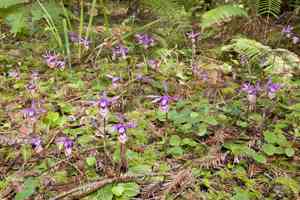
Perfect for both experienced growers and beginners, the calypso orchid is multiplied via division, a straightforward method suited to its fragile characteristics. Meticulously detach the subterranean components to preserve the well-being and wholeness of the calypso orchid. Delicately disentangling the root system and rhizomes fosters successful rooting in new substrate. Verify that each division possesses sufficient roots and a minimum of one active bud. Reduce shock by supplying steady hydration and atmospheric moisture without excessive wetness, encouraging vigorous development.
Optimal Time for Calypso Orchid Propagation
Propagation Method
Splitting
Propagation Period
Spring,Autumn
Tools for Calypso Orchid Propagation
Sterile Knife or Scalpel
This instrument is crucial for calypso orchid's propagation via division. A sterile knife or scalpel ensures a clean cut, minimizing harm to the plant's delicate root system and lowering infection risk. Its sharpness and precision enable accurate rhizome divisions, vital for successful calypso orchid propagation.
Rooting Hormone
Applying a rooting hormone to calypso orchid's cut surfaces can significantly boost root development during propagation by division. This product stimulates root growth, helping the divided parts of calypso orchid establish faster and more effectively in new environments. It enhances the overall propagation success rate.
Potting Mix
A specialized orchid potting mix is perfect for calypso orchid's propagation, offering essential aeration and drainage. This medium supports newly divided parts by providing balanced moisture retention and air circulation, critical for calypso orchid's root health.
Misting Bottle
Maintaining adequate humidity is essential during calypso orchid's root establishment. A misting bottle allows for gentle watering that keeps the medium moist without disturbing new roots or causing waterlogging, which could lead to fungal infections or root rot.
How to Propagate Calypso Orchid?
Propagation Difficulty
Easy
Caring for Your Newly Propagated Calypso Orchid
Caring for Your Newly Propagated Calypso Orchid
Calypso orchid needs consistent care post-propagation to flourish. Maintain a humid environment and ensure the potting medium is moist but not waterlogged. Avoid direct sunlight, opting for dappled shade instead. Regularly check for pests or diseases, treating them with suitable organic remedies. Gradually acclimate the plant if its environment changes significantly.
Common Mistakes to Avoid When Propagating Calypso Orchid
Disrupting natural habitat
Attempting to propagate calypso orchid from wild specimens can harm its natural ecosystem. Calypso orchid relies on specific mycorrhizal relationships in its native habitat, and removing specimens can disrupt this balance and reduce survival rates.
Overwatering
Providing too much moisture during propagation can lead to fungal infections and root rot for calypso orchid. Calypso orchid's natural habitat experiences periods of well-drained conditions, and it doesn't tolerate waterlogged soil well.
Excessive fertilization
Using too much fertilizer can damage calypso orchid's sensitive roots and may cause chemical burn. Calypso orchid is adapted to nutrient-poor environments and doesn't require high nutrient levels.
Inadequate light
Exposing calypso orchid to direct, intense light can cause leaf scorch. Calypso orchid is accustomed to dappled light in forest understories.
Ignoring symbiotic relationships
Not incorporating the mycorrhizal fungi that calypso orchid depends on during propagation can result in poor root development and plant failure. These symbiotic relationships are crucial for nutrient uptake in calypso orchid.
Tips For Propagating Calypso Orchid
Sustainable sourcing
Propagate calypso orchid using legally acquired, cultivated plants rather than wild specimens to protect natural populations. This also ensures the propagation process meets calypso orchid's specific growing requirements.
Moisture management
Maintain balanced moisture around calypso orchid by mimicking its natural environment â moist but not saturated, with good drainage to prevent root rot and ensure a healthy root system.
Minimal fertilization
Limit fertilizer use for calypso orchid, as it thrives in low-nutrient substrates. If necessary, dilute fertilizers to a fraction of the recommended dose for other orchids.
Indirect lighting
Provide calypso orchid with indirect light that mimics the dappled sunlight of its natural woodland habitat, preventing leaf damage from excessive sun exposure.
Incorporating mycorrhizae
In the propagation medium for calypso orchid, include appropriate mycorrhizal fungi to aid nutrient and water uptake, which is vital for successful growth and development.



