How to Propagate Carolina allspice?
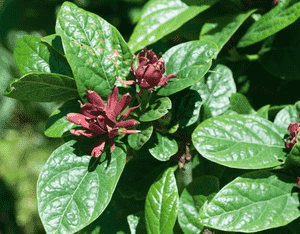
Calycanthus floridus multiplies effectively via root division, preferably during the spring or fall. This plant presents a moderate challenge for propagation. The emergence of fresh shoots and roots indicates successful establishment. Handle the root mass with care during separation.
Optimal Time for Carolina Allspice Propagation
Propagation Method
Division
Propagation Period
Spring, Autumn
Tools Required for Carolina Allspice Propagation
Sharp, sterilized pruning shears or knife
These are crucial for making clean cuts when separating the rootball of carolina allspice, minimizing root damage and reducing disease transmission risk. A sharp blade ensures rapid healing and less plant stress.
Spading fork or garden fork
This implement is vital for gently lifting carolina allspice from the ground with minimal root disturbance. Its tines allow for careful soil penetration and loosening of the root area with precision, making the division process smoother and safer for the plant's roots.
Gardening gloves
Wearing gloves protects the propagator's hands and ensures a secure grip when handling carolina allspice, especially when using sharp tools or managing the plant's potentially intricate or woody root system.
Watering can or hose with a gentle spray setting
Following division, carolina allspice requires thorough watering to help reduce transplant shock and encourage the establishment of new divisions. A gentle spray setting will moisten the soil without disrupting the newly planted sections.
Steps to Propagate Carolina Allspice
Propagation Method
Division
Difficulty Level
Easy
Post-Propagation Care for Your Carolina Allspice
Post-Propagation Care for Your Carolina Allspice
Water carolina allspice regularly to maintain consistently moist but not waterlogged soil, especially during its initial growing season after propagation. Fertilize carolina allspice with a balanced, slow-release product in the spring to promote vigorous growth. Prune carolina allspice to maintain its desired form and size, and remove any dead or diseased wood to encourage good air circulation. Monitor for pests and diseases, treating as necessary with appropriate methods. With proper attention, carolina allspice should establish well and continue to thrive annually.
Common Errors to Avoid When Propagating Carolina Allspice
Inadequate rooting medium
Using soil that lacks proper drainage or sterility can lead to rot or fungal infections in carolina allspice cuttings.
Overwatering
This can cause root rot in carolina allspice, as the plant prefers moist but well-drained conditions.
Ignoring health of parent plant
Taking cuttings from a diseased or stressed carolina allspice will likely result in poor propagation success.
Incorrect cutting technique
Improper cuts can damage carolina allspice tissue, impeding rooting or leading to infections.
Neglecting humidity
Carolina allspice cuttings require high humidity to root successfully, and a dry environment can cause them to wilt and fail.
Advice for Propagating Carolina Allspice
Semi-hardwood cuttings
For optimal results, utilize semi-hardwood cuttings of carolina allspice, which have a greater likelihood of successful rooting.
Sterilize tools
Before making cuts, sterilize tools to prevent disease transfer to carolina allspice cuttings, ensuring healthier growth.
Rooting hormone
Applying rooting hormone to the cut end of carolina allspice can significantly boost the chances of successful rooting.
Ventilation
While maintaining humidity, also provide some air circulation to prevent fungal growth on carolina allspice cuttings.
Indirect light
Place carolina allspice in a bright area with indirect light to prevent scorching of delicate cuttings during the rooting phase.



