How to Propagate Bottlebrush?
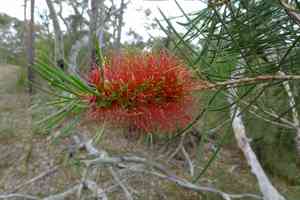
Callistemon is highly amenable to reproduction via cuttings, enabling cultivators to duplicate the vivid, brush-like blossoms typical of the genus. For peak outcomes, semi-hardwood sections ought to be harvested and inserted into a substrate that drains effectively. Employing a rooting stimulant can boost the success rate, and sustaining uniform hydration is vital for root formation. After becoming rooted, Callistemon demands little upkeep, flourishing in diverse soil compositions provided they remain damp. Consistent trimming fosters robust development and abundant blooming.
When Is the Optimal Period to Propagate Bottlebrush?
Propagation Method
Cutting
Propagation Period
Spring,Summer
What Implements Are Utilized in Bottlebrush Propagation?
Sharp pruning shears
Crucial for achieving clean, precise cuts on bottlebrush's stems. Keen blades minimize plant tissue damage, vital for reducing disease risk and promoting quicker healing and root formation.
Rooting hormone powder
Stimulates root development when applied to the severed end of bottlebrush's stem cuttings. This hormone encourages root cell growth at the cutting's base, boosting the probability of successful rooting, essential for new bottlebrush plants.
Sterile potting mix
Offers a clean, regulated environment for bottlebrush's cuttings. The mix's sterility prevents fungal and bacterial proliferation, which could otherwise harm delicate cuttings during initial rooting stages.
Propagation trays
Used to hold and arrange bottlebrush's cuttings in a stable setting. These trays facilitate uniform watering, maintain consistent humidity, and provide ample space for root growth, ultimately improving propagation success.
Plastic covers or humidity domes
Aid in sustaining a high-humidity atmosphere around bottlebrush's cuttings, critical for preventing moisture loss through leaves. Ensuring high humidity fosters successful rooting and plant establishment without water stress.
How to Propagate Bottlebrush?
Propagation Type
Moderately Difficult
How to Nurture Your Newly Propagated Bottlebrush?
How to Nurture Your Newly Propagated Bottlebrush?
Post-propagation, give the new bottlebrush bright, indirect light and water regularly to keep soil consistently moist. Gradually introduce more sun over weeks to prevent shock. Shield from extreme temperatures and fertilize with a general liquid feed during the growing season. Prune to encourage bushiness and blooms.
Common Errors to Avoid When Propagating Bottlebrush
Overwatering Cuttings
Excessive watering of bottlebrush cuttings can lead to rot, hindering root development and increasing fungal infection risk, potentially killing young plants.
Cuttings Taken from Weak Branches
Utilizing non-vigorous or unhealthy branches for cuttings often results in poor root development and reduced propagation success due to insufficient stored energy and resources.
Using Soil that Lacks Drainage
Poorly draining soil can cause water to accumulate around bottlebrush cuttings, fostering root rot and unfavorable conditions for root growth.
Failure to Provide Humidity
Insufficient humidity can cause bottlebrush cuttings to dry out too quickly before rooting, leading to desiccation and a lower chance of propagation success.
Neglecting to Remove Leaves Properly
Leaving too many leaves on bottlebrush cuttings or not trimming them back can result in excessive moisture loss and inadequate resources directed towards root development.
Tips For Propagating Bottlebrush
Use Healthy Stem Cuttings
Choosing robust, healthy stems from an actively growing part of bottlebrush increases the likelihood of successful rooting and propagation.
Right Cutting Size
Ensuring cuttings are about 4-6 inches long with several leaf nodes helps balance nutrient supply and promotes new root growth.
Sterilize Tools
Using clean, sterilized pruning tools helps prevent disease spread, thus protecting the health of bottlebrush cuttings.
Well-Draining Propagation Medium
Employing a well-draining medium like a sand and peat mix or quality potting soil improves aeration and reduces the chances of root rot in bottlebrush cuttings.
Provide Proper Humidity
Maintaining a humid environment with a plastic cover or propagator helps bottlebrush cuttings retain moisture, but ensure ventilation to prevent mold growth.
Correct Leaf Trimming
Trimming bottlebrush cuttings' leaves to reduce transpiration while leaving enough for photosynthesis will encourage healthier root development.



