How to Propagate Basket plant?
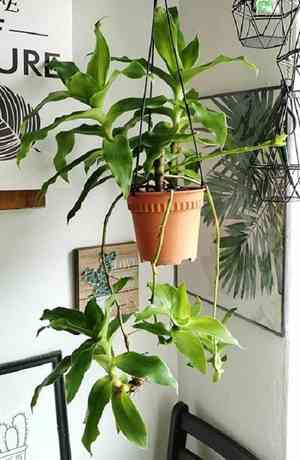
The basket plant is most effectively reproduced via cuttings, preferably in the Spring and Summer periods. This technique presents a moderate challenge. Signs of successful propagation encompass the emergence of new roots and foliage. Ensure steady hydration for the best outcomes.
When Is the Optimal Time to Propagate Basket Plant?
Propagation Method
Cutting
Propagation Period
Spring, Summer
What Implements Are Utilized in Basket Plant Propagation?
Clean, Sharp Pruning Shears or Knife
An essential instrument for taking basket plant cuttings. Sharp blades ensure a clean incision without crushing stem tissues, promoting faster healing and reducing infection risk.
Rooting Hormone
This compound stimulates root development on basket plant cuttings. It contains auxins that encourage root initiation at the cutting site. Proper application enhances successful rooting.
Propagation Tray or Small Pots with Drainage Holes
These offer a suitable environment for placing basket plant cuttings. They facilitate proper water drainage, preventing root rot and fostering a healthy rooting process.
Potting Mix or Peat-Perlite Blend
The growing medium is vital for basket plant cuttings to establish roots. A light, airy blend allows roots to penetrate easily and provides the necessary air and water balance.
Plastic Bags or Humidity Dome
These create a moist microclimate around basket plant cuttings, crucial for preventing moisture loss through transpiration while the cuttings are developing new roots.
Heating Mat (Optional)
Used to maintain a consistent and warm temperature beneath the propagation tray, which can accelerate root development and increase the success rate for basket plant cuttings, especially in cooler environments.
Watering Can with a Fine Rose
Permits gentle irrigation of basket plant cuttings without disturbing the soil or cuttings, ensuring they remain in optimal moisture conditions for root development.
How to Propagate Basket Plant?
Propagation Method
Cutting
Difficulty Level
Easy
How to Care for Your Newly Propagated Basket Plant?
How to Care for Your Newly Propagated Basket Plant?
After propagating basket plant, maintain consistent care for robust growth. Position the new plant in an area with bright, indirect light. Water when the top inch of soil feels dry, avoiding overwatering to prevent root rot. Fertilize with a balanced, water-soluble fertilizer every 4-6 weeks during the growing season. Pinch back the plant's tips to encourage bushier growth. Repot every couple of years or when the plant becomes root-bound.
Common Errors to Avoid When Propagating Basket Plant
Overwatering
Excessive watering of basket plant during propagation can lead to root rot, which is detrimental to new root development. This often occurs if gardeners equate water with growth, not considering that too much moisture can be harmful.
Using diseased or weak cuttings
Propagating basket plant from unhealthy or weak parent plants will likely result in failure or produce feeble offspring. It's crucial to use healthy and robust plant material to ensure successful propagation and eventual plant vigor.
Ignoring light requirements
Basket plant cuttings need balanced light conditions; too much direct sunlight can scorch tender cuttings, while insufficient light can lead to weak growth and poor root development. Gardeners should avoid these extremes for healthy propagation.
Improper rooting medium
Using an unsuitable rooting medium for basket plant, such as very heavy or poorly draining soil, can hinder the aeration and moisture balance necessary for rooting. Roots require a light, well-draining medium to develop properly.
Advice For Propagating Basket Plant
Adequate humidity
Maintaining a consistent level of humidity around basket plant cuttings is essential for encouraging root formation. Airborne moisture helps prevent cuttings from drying out before they can root.
Indirect light
Basket plant cuttings thrive best in bright, indirect light. This provides the energy needed for growth without the risk of sun damage that can occur with direct sunlight exposure during the rooting process.
Sterile equipment
Using clean and sterile tools to take basket plant cuttings prevents the introduction of diseases and pathogens that can harm the cuttings. It's a simple but crucial step for healthy propagation.
Well-draining soil
For basket plant propagation, a well-draining soil mix is essential. It helps prevent waterlogging and root rot while providing the necessary aeration for newly developing roots.
Mist cuttings regularly
Misting basket plant cuttings can help maintain optimal humidity, which is essential for propagation, especially in dry environments. It's a fine balance to provide enough moisture without saturating the planting medium.



